
Biography
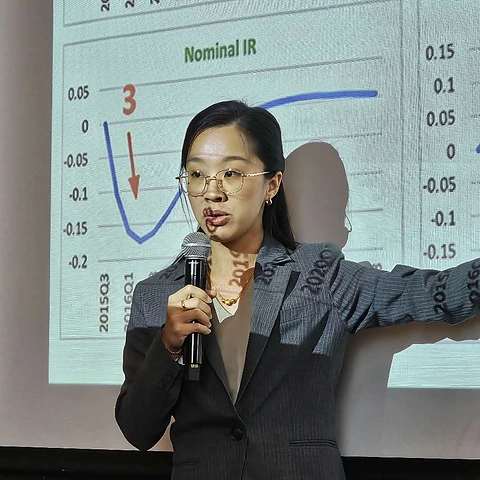
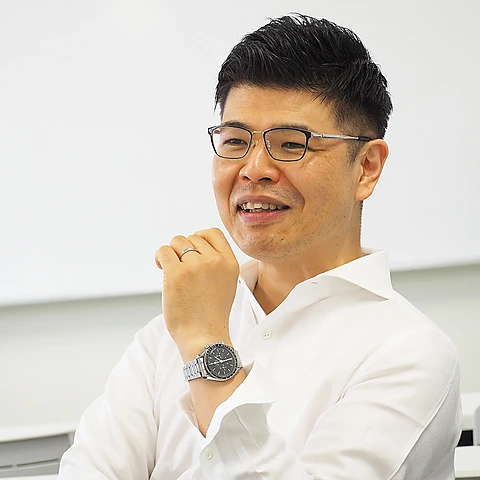
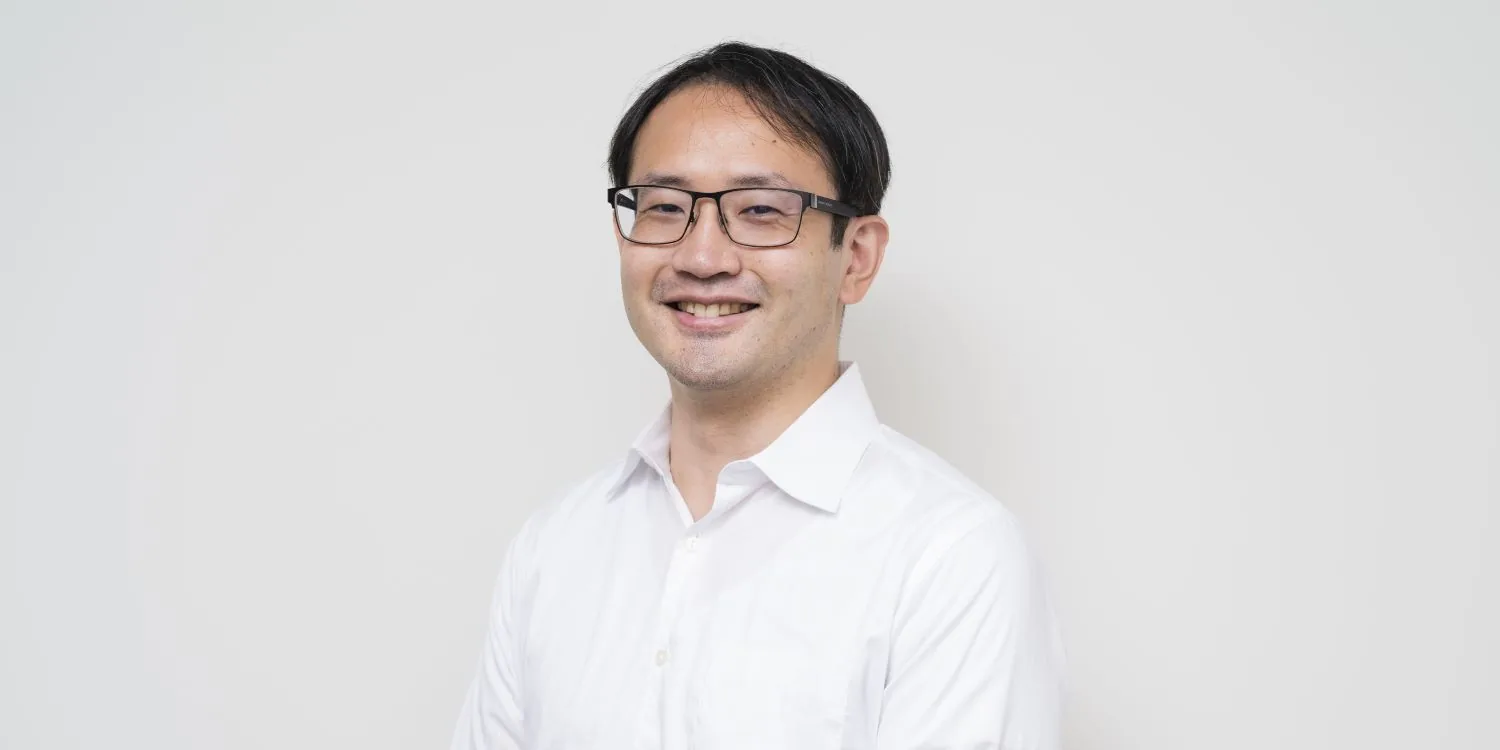
Graduated from the Department of Economics at the University of Chicago in 2003 and became an assistant economist in the research division of the Federal Reserve Bank of Kansas City. Received his Ph.D. in economics from New York University in 2012. From September of that year, he served successively as economist, senior economist, and principal economist in the research division of the Federal Reserve Board (FRB). Since 2020, Associate Professor at the Graduate School of Economics and the Graduate School of Public Policy, The University of Tokyo. Received the 6th Jiro Enjoji Memorial Prize in 2021, and the Japanese Economic Association’s Ishikawa Prize for 2025.
Associate Professor Taisuke Nakata spent some eight years at the forefront of U.S. monetary policy at the Federal Reserve Board (FRB), and during the COVID-19 pandemic he drew great attention in Japan for his policy analysis and public communication. In the 2025 academic year he received the Ishikawa Prize from the Japanese Economic Association, and his achievements are widely recognized. From Kaisei Junior and Senior High School in Tokyo he went directly to the United States, attending Texas Christian University before moving on to the prestigious University of Chicago, where he experienced rigorous "intellectual martial arts." He started his career as a research assistant at the FRB's Federal Reserve Bank of Kansas City, then moved to the headquarters in Washington, D.C., steadily building his career. We asked Associate Professor Nakata, who continues to connect the policy front lines with theory and to communicate his findings, about his career path and his convictions.
——You went directly from Kaisei High School to a university in the United States. That must have been quite rare at the time.
Associate Professor Taisuke Nakata (hereafter Nakata): Indeed, at the time only a very few students went on to universities overseas. I hadn’t clearly decided on it from the start myself; the fact that my older sister had gone to a U.S. university before me was a major influence. I first attended Texas Christian University in Texas for one year. After that, since I was interested in public policy and economics, I transferred to the University of Chicago, which put “we will make you study exhaustively” front and center in its publicity. I was also drawn to the atmosphere of its campus.
University of Chicago Days That Were Tougher Than the Ph.D. Program
——What was your student life like at the University of Chicago?
Nakata: I just studied like crazy. Honestly, it was tougher than the Ph.D. program. The University of Chicago is a place that attracts students who love studying, so I was naturally pulled along by that atmosphere. It has a strong liberal arts tradition, and courses on logic in philosophy, as well as courses reading classics such as Shakespeare and Homer, were required—they really trained me. The philosophy course “Elementary Logic” in particular was truly intense. It was billed as elementary, but it was not elementary at all… In that course, mathematical logic was thoroughly drilled into us (he shows the textbook from those days).
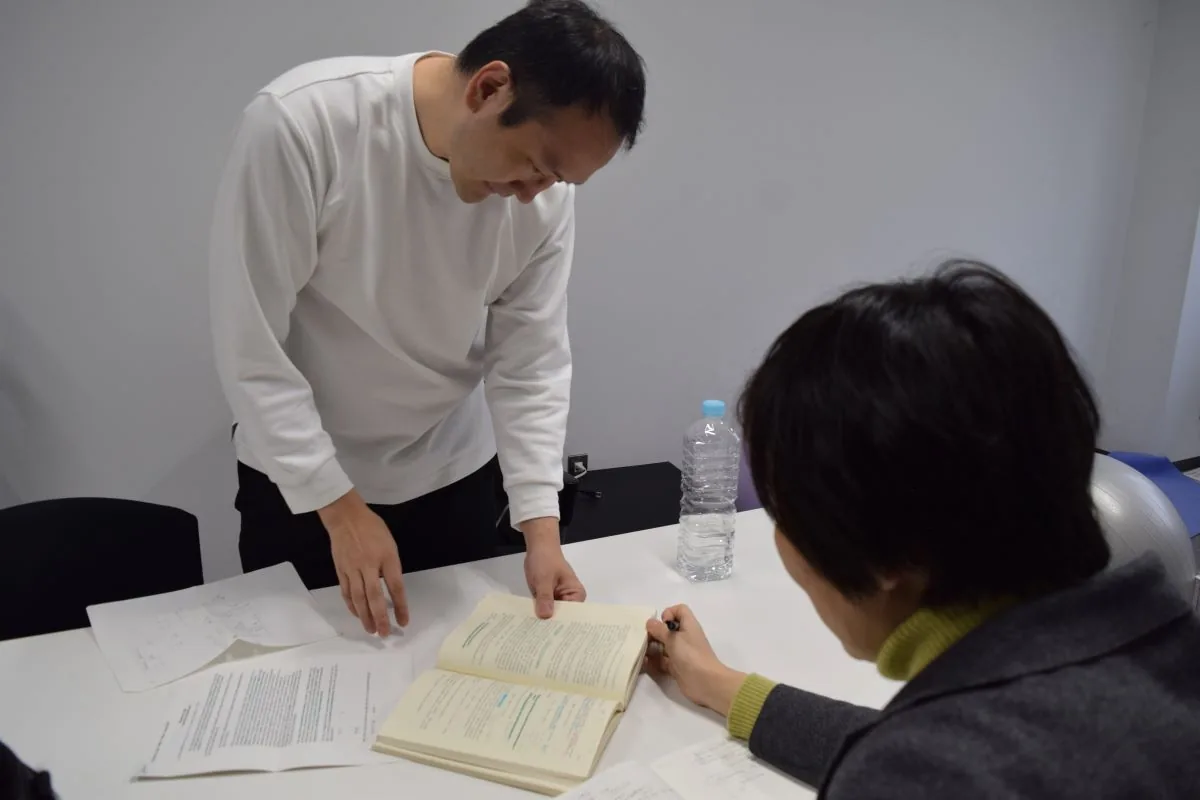
——…Elementary logic. Logic is the discipline that rigorously identifies and systematizes the mechanisms by which “correctness” holds, isn’t it? This really is difficult. Intellectual martial arts indeed. Your daily life must have been quite hard.
Nakata: Looking at this textbook now for the first time in a very long while, I can’t make sense of it at all (laughs). How did I ever keep up? But I think it was through this kind of “intellectual strength training”—classes that drilled me thoroughly and intellectually—that I acquired the attitude of taking on things I don’t understand logically.
What I remember especially fondly are the days I spent with the roommate I met in my first year. He was American, and we got along very well; whenever we were together, we talked endlessly about politics, the economy, and society. On weekends we would eat Chicago-style pizza while watching C-SPAN (a channel specializing in politics) and debating. Through daily life with him, I think my ability to think, speak, debate, and write in English grew without my even noticing. In Japan, people don’t usually have such intense discussions on a daily basis, do they? It was something only dormitory life could offer.
——So you were trained not only through study but through daily life as well.
Nakata: That’s right. At the University of Chicago in those days, the dormitory system was also unique: each dormitory had its own assigned dining tables, and we routinely shared meals and conversation with a fixed group of companions. You are placed in an environment where you have no choice but to engage in dialogue even with people whose interests and values differ from your own. It really felt as if “building knowledge through dialogue” was woven into everyday life.
Basketball as Part of Life
——Your days must have been filled with study and dialogue, but we hear you were also passionate about basketball.
Nakata: Yes, I had been on the basketball team ever since junior and senior high school, throwing myself fully into club activities. After moving to the U.S., I kept playing basketball on the court between classes. In Chicago, in Kansas City, and in Washington, D.C., I formed teams with colleagues from work and competed in local leagues. Basketball helped me make friends in the U.S., too, and getting physical exercise was refreshing.
——We hear your love of basketball even led to an encounter with a famous NBA player.
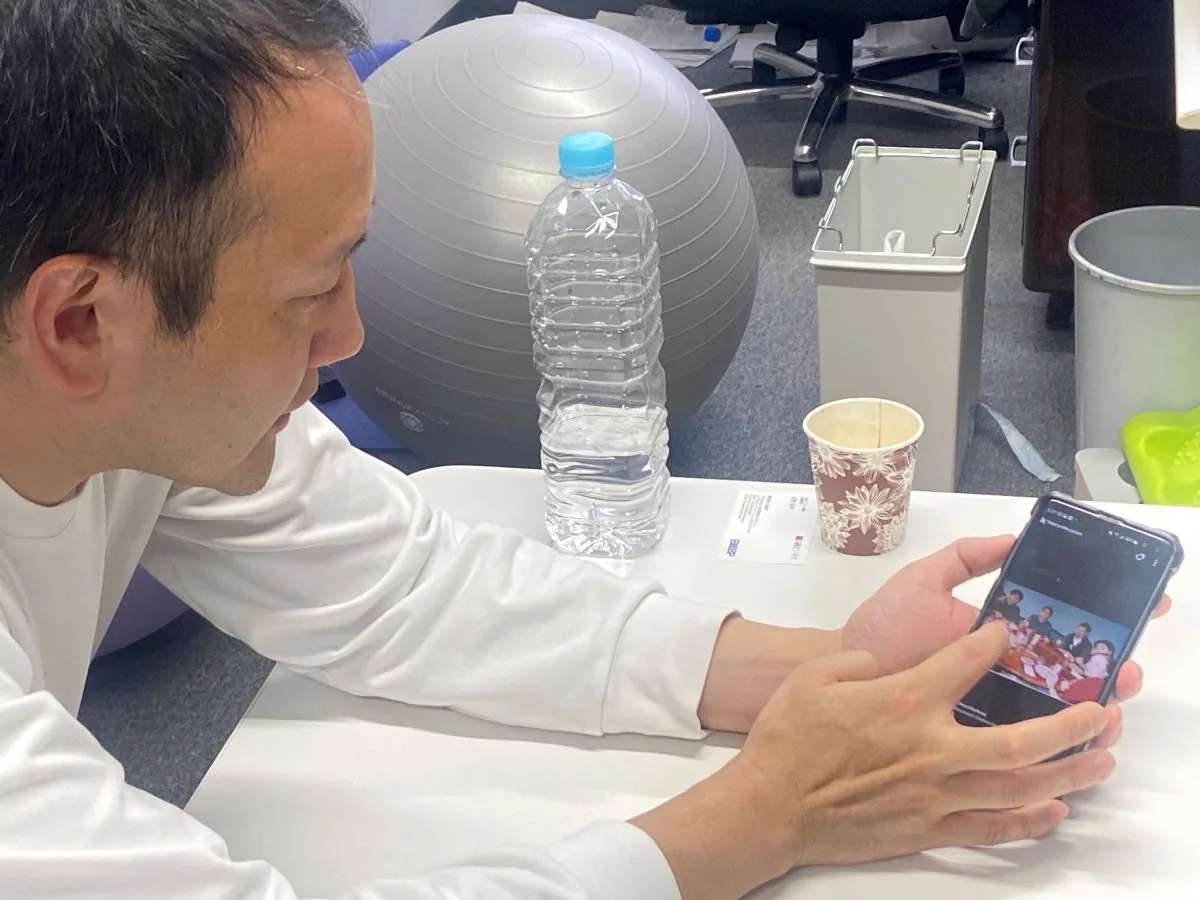
Nakata: That’s right. When I was at the Kansas City Fed, I went with a Japanese basketball friend to watch a game in which Yuta Tabuse, on the road from a lower-division league in California, came to play in Kansas. After the game we even got to take a commemorative photo with him, which was thrilling (he shows the photo). I loved basketball, so it made me really happy.
——After graduating from the University of Chicago, you joined the FRB. Did you not consider returning to Japan to work?
Nakata: I felt it would be a bit of a waste to go back to Japan right after graduating. I had a strong desire to live in the U.S. a little longer. Actually, in my U.S. job search I also tried finance and consulting firms, but it didn’t go very well (laughs). It was then that I received an offer for a research assistant position from the FRB’s Federal Reserve Bank of Kansas City. At the time I knew nothing at all about monetary policy, but once I joined the workplace and saw with my own eyes how policy was debated on the basis of analysis, I thought, “So this kind of work exists”—and found it fascinating.
The Joy of Being Thanked for One’s Analysis
——In what situations did you find the work most interesting?
Nakata: At university, no matter how hard you work to earn good grades or write good papers, you may be praised, but no one ever thanks you, right? But when I did analysis at the FRB, my colleagues and superiors would say “thank you” with real gratitude. Feeling firsthand that I could be useful to society through my own abilities was very fresh, and a great joy.
——You went on to excel as an economist on the FRB’s mathematical modeling team, building a track record by taking up central bank policy issues as dynamic optimization problems. Is there any work that is especially memorable?
Nakata: I worked on a variety of analyses concerning the zero lower bound on interest rates. Analyzing unknown situations where no one really knew what to do was extremely rewarding. For instance, when my papers were cited in speeches by senior officials like Janet Yellen, who chaired the FRB from 2014 to 2018, I was deeply moved at first. Once I got used to it, though, I would feel a little dissatisfied if I wasn’t cited—I gradually grew more brazen (laughs).
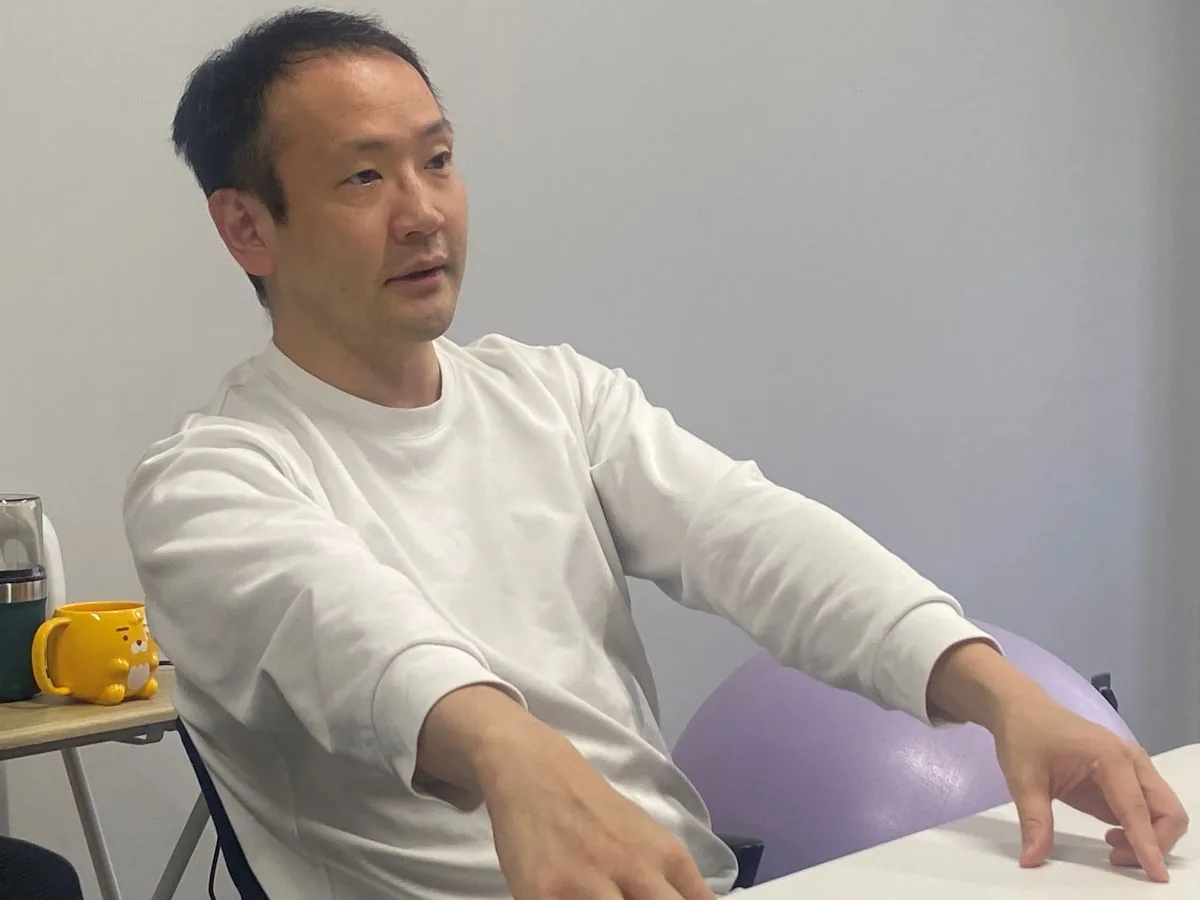
――In 2020 you received a call from the University of Tokyo and returned to Japan. From 2021, amid the COVID-19 pandemic, you published a wide range of analyses, including infection forecasts using an epidemiological macro model. You also provided analytical results to the government’s subcommittee and to the Ministry of Health, Labour and Welfare’s advisory board. With such an uncertain subject, it must have been one tense moment after another.
Nakata: I was a layperson when it came to pandemics, and I assumed the COVID-19 crisis would be over in about a year, so I wasn’t thinking about doing analysis. At the FRB, in a situation like that, one would want to form an outlook for the future and set policy accordingly, but I couldn’t really tell whether that kind of analysis was being done. I wondered whether all sorts of analyses were being conducted internally and outsiders simply didn’t know about them, so I watched and waited—but that turned out not to be the case.
”If You Build Up What You Can Do, You Can Be Useful”
In December 2020 I tried a bit of analysis, immediately felt traction, and made up my mind: “All right, let’s give it everything.” Just as when I worked at the FRB, I was confident that if I steadily built up what I could do in areas where analysis was lacking, it would leave an impact and benefit society, so I kept communicating my findings. Even if the analysis turned out not to help the current pandemic response, steadily continuing the analysis within the same framework and looking back on it afterward would itself be useful for future pandemics.
——Throughout your career, your emphasis on policy impact has been consistent.
Nakata: If I were chasing only academic accomplishments, I might have chosen other research topics. But I believe my strength lies in connecting theory and the real world, and that is where I find meaning. Doing what only I can do—that is where I feel my raison d’être as a researcher.
Placing Greater Weight on Policy Impact
——What research do you plan to work on going forward?
Nakata: I am steadily working, day in and day out, to put my pandemic-related analyses on the record in the form of English-language papers. I also exchange views from time to time with people at the Cabinet Agency for Infectious Disease Crisis Management and with researchers in other fields. I believe that giving the work concrete form and leaving it for the world contributes to preparing for the next pandemic. It looks like it will amount to some 10 to 20 papers.
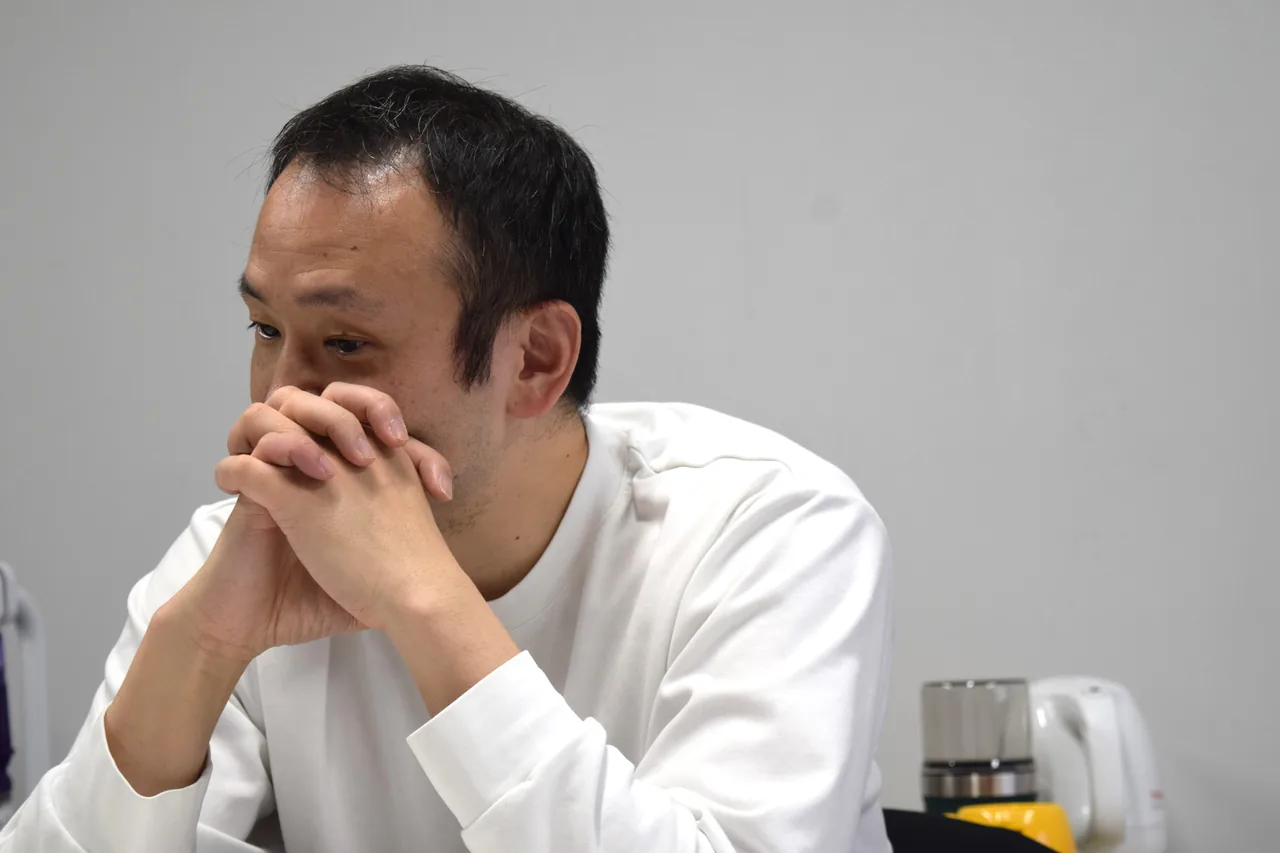
If I wanted to maximize my academic record, I would probably be better off discarding all of my COVID-19 analyses. But I place great weight on policy impact, so I believe that properly publishing this work as papers—even in journals regarded as less prestigious—will also lead to my future work being trusted. There is even a chance that no pandemic will occur in the future, so it could all end in vain. But having come this far, I don’t want to leave it half-finished. Above all, it is far more enjoyable to work on what only I can do. Even if the papers never appear in top journals, I will keep working steadily so that when a pandemic does strike in the future, I can be of at least some help to society.
(Interview and text by Ayako Hirono, Deputy Editor of Nikkei Business / Specially Appointed Professor, Keio University)