
Tackling challenges from the dual perspectives of a practitioner and a policymaker
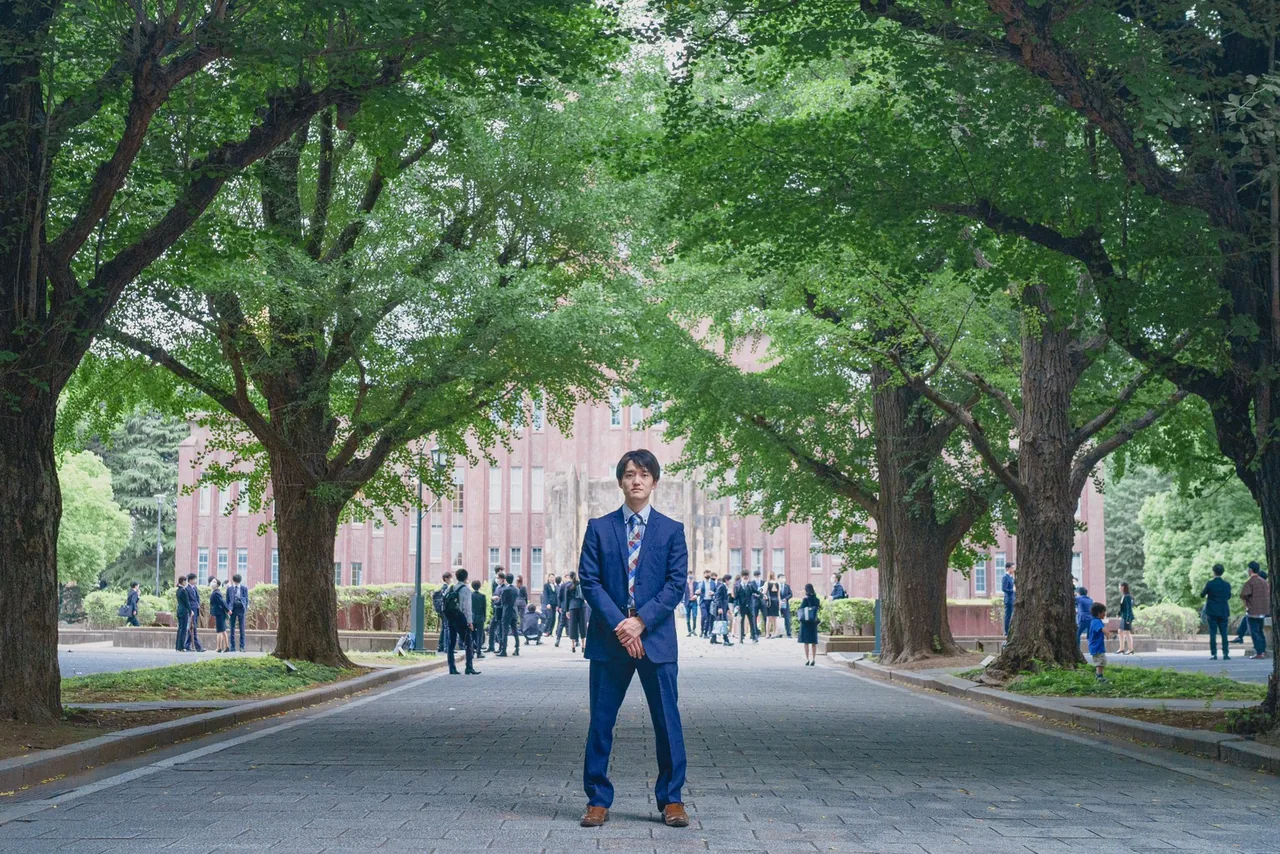
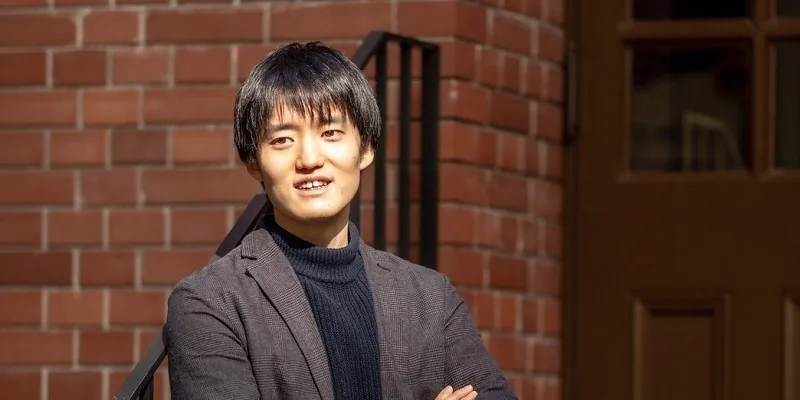
At the matriculation ceremony
I am a working student attending GraSPP while employed at a consulting firm. Ever since joining the company as a new graduate after completing my undergraduate degree, I had been thinking that someday I would like to return to university. Through my practical experience in consulting, I came to want to become someone who can contribute to solving problems from both the practitioner’s and the policymaker’s perspectives on the theme I had been exploring since my undergraduate days: the management of museums and other cultural institutions (museum management theory). My main concern was that I felt the need both to create individual success stories and advance change from the bottom up, and at the same time to push forward industry-wide transformation from the top down at the policy level. And because I concluded that an understanding of the policymaking process, legal systems, and the like was an indispensable foundation for achieving this, I chose GraSPP as my destination for further study.
Knocking on the door of every discipline under instructors at the forefront of their fields
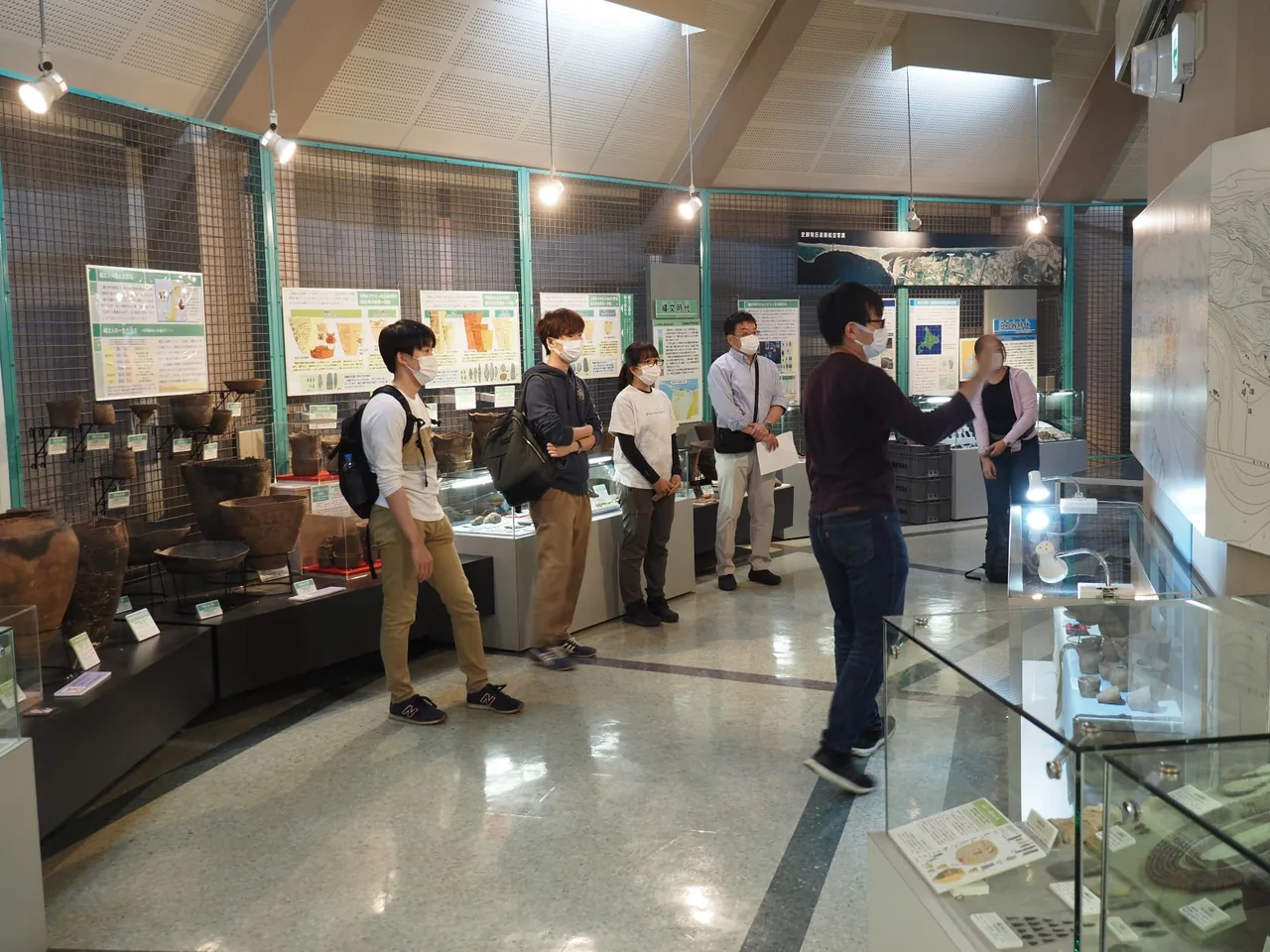
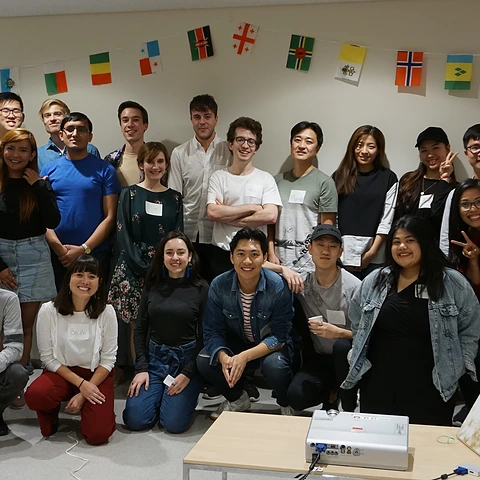
Taking the museum studies practicum at the University of Tokyo’s Tokoro Research Laboratory in Hokkaido (the author is at the far left)
At GraSPP, I have defined my own major and minor and am focusing on exploring each. For my major, I am researching policies and legal systems concerning museums and other cultural institutions. Specifically, my subjects include the Act on General Rules for Incorporated Administrative Agencies, and the report I submitted last year is posted under “Students’ Educational and Research Outcomes” on the GraSPP website, so please take a look if you are interested. In addition, although it has no bearing on my graduation requirements, in order to grasp the practice and theory of museums and similar institutions, I am working through all of the courses required to obtain the curator certification.
For my minor, on the other hand, I am researching the impact of digital technology on public administration and the corresponding responses in public policy. As seen recently in concepts put forward by the government such as the “Super City” and the “Digital Garden City Nation,” digital technology has become one of the most important themes in public policy. Moreover, since I serve mainly local governments as my clients, I feel that researching not merely today’s digital trends but also the evolution of legal systems, including their academic background, has become a strength of mine as a consultant.
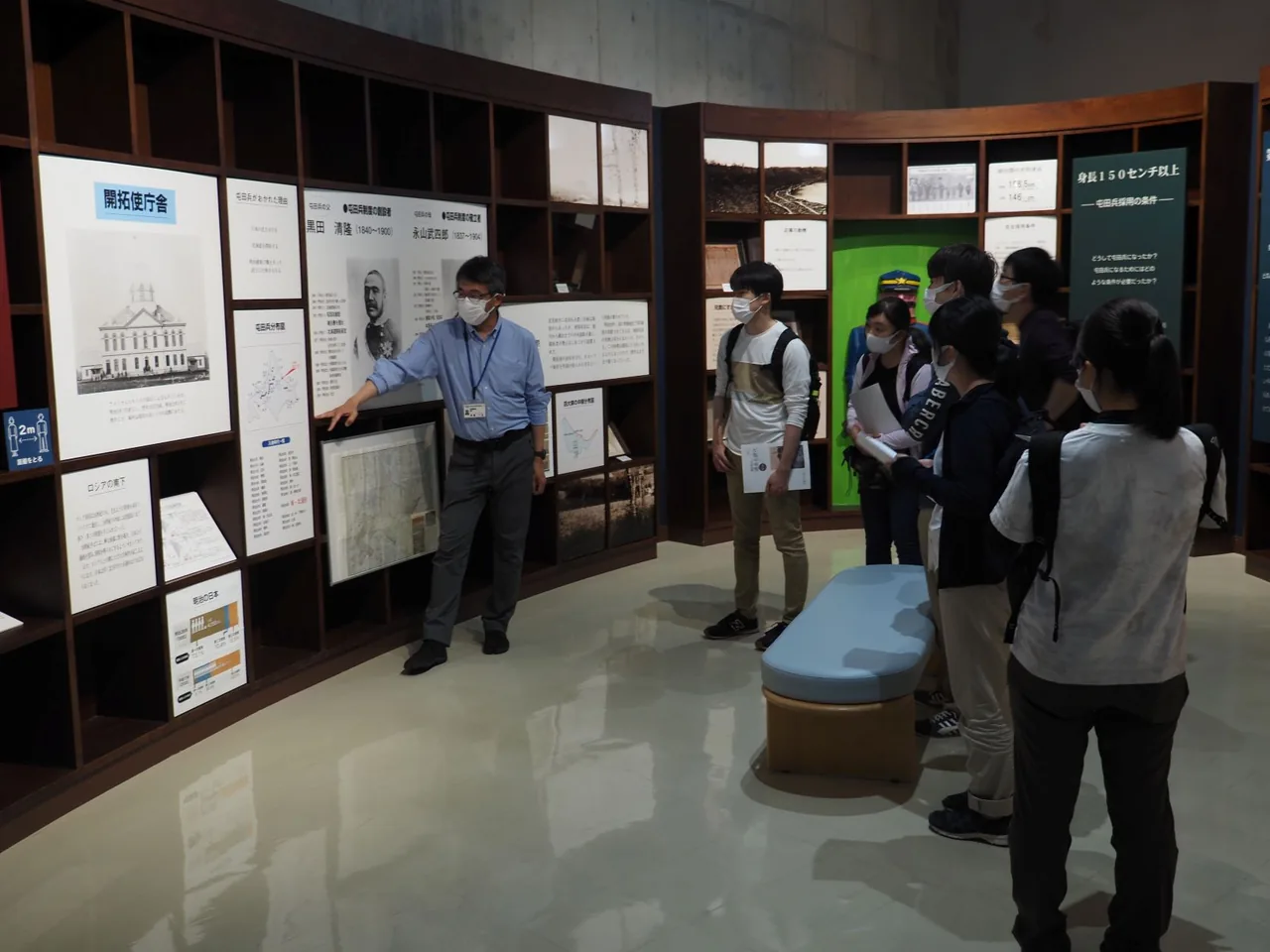
Taking the museum studies practicum at the UTokyo Tokoro Research Laboratory in Hokkaido, part 2 (the author is second from the left)
Among the courses that have left an impression on me, the first is “Contemporary Public Administration I” (Professor Hiroya Masuda). Through his discussion of themes such as regional revitalization, drawing on his experience serving as Minister for Internal Affairs and Communications and his insights from his current posts, I was able to sharpen my understanding of the various challenges in public administration and the practical workings of national and local governments. The report mentioned above was also written for this course. The next is “Case Study (Science, Technology, Politics and Public Administration I)” (Professor Hideaki Shiroyama). This course deals with the mechanisms and theories involved in the research and development of science and technology, its implementation in society, and the promotion of innovation; I wrote my report on the legal framework for personal information protection in the context of digitalization. Beyond these, the fact that every course—whether in politics, economics, or law, including those not listed here—is taught by instructors at the forefront of their fields is, I believe, an appeal unique to GraSPP.
In addition, because the University of Tokyo is a comprehensive university, those with the motivation can knock on the door of any discipline. Owing to COVID-19, most classes came to be held online, and it was certainly disappointing in itself that I had few opportunities to set foot on campus or interact with classmates; but I decided to take a positive view of the online lecture environment and devote myself to my studies. Being able to attend classes no matter when or where I was working has, I feel, considerably broadened my range of course choices, and while balancing work and study is of course not easy, I have been able to take more courses than I had anticipated before enrolling.
Aiming, as a working professional, to be someone who leaves an impact on Japanese society with the insights gained through study
GraSPP not only has an admissions track for working professionals, but also offers a long-term enrollment system that allows students to extend the standard period of study, making it a graduate school whose doors are open to working adults. Every year, students with a wide range of professional experience in local government and the private sector enroll, each pursuing their studies with their own sense of the issues; as a result, there are many occasions—not only in classes but also in exchanges with fellow students—to gain insights that feed into one’s work and academic explorations.
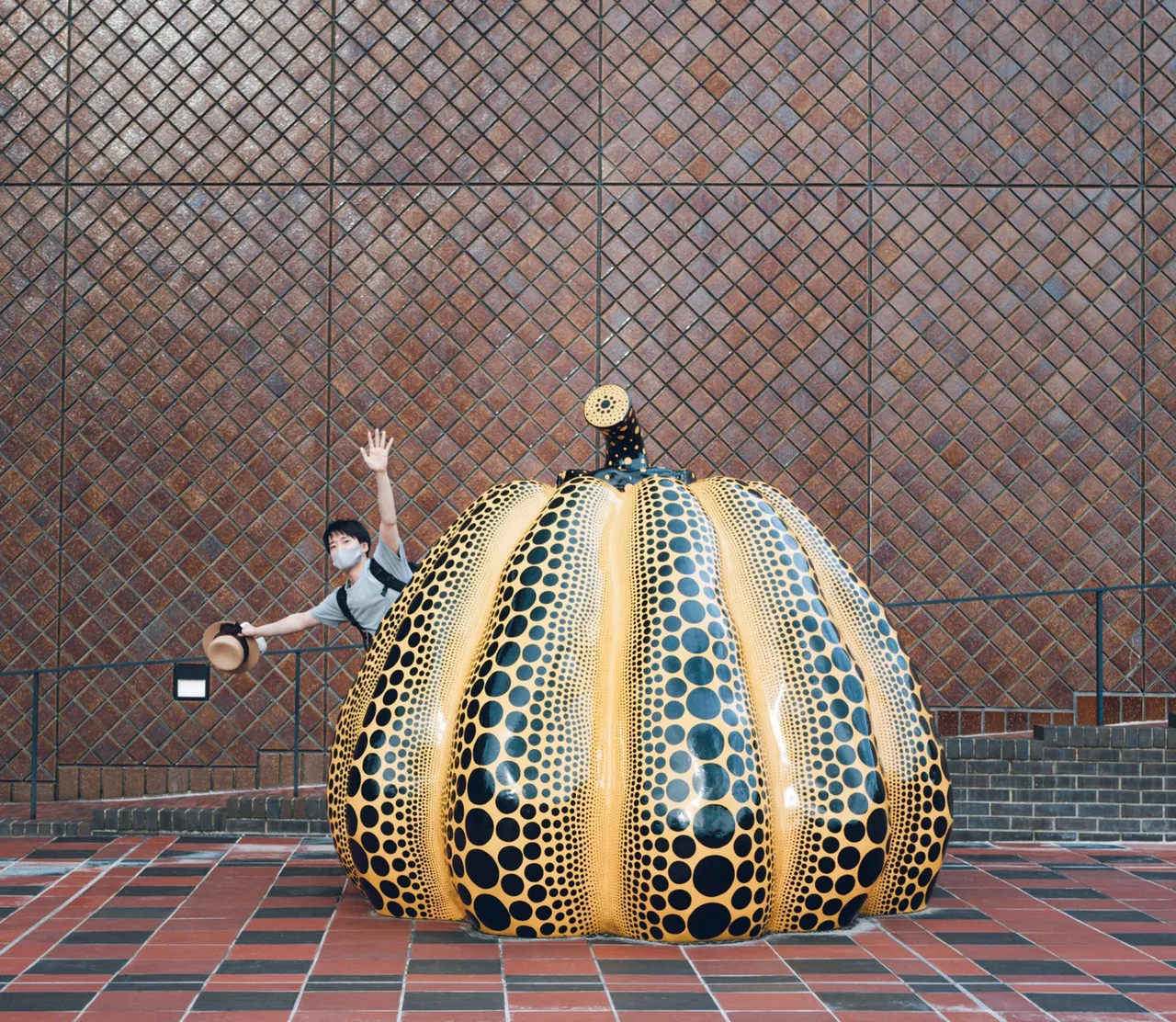
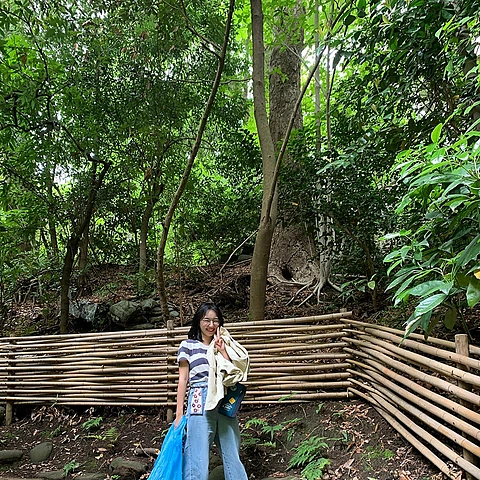
At the Fukuoka Art Museum, visited in my private time
There are also moments when my experience as a working professional connects organically with what I have learned at GraSPP. When I sent in my application to GraSPP I still held the position of analyst, but I have since become a manager, and the scenery and perspectives visible to me in the field have broadened. It seems rare for knowledge gained through study to be immediately applicable to work, but I have had experiences such as suddenly recalling, in a casual conversation with a client, the content of a course I took last year and being given a new vantage point—or the reverse.
I plan to keep working as a consultant after graduating from GraSPP, but someday I want to create, on my own initiative, work that engages directly with the theme of transforming museums and other cultural institutions. When that time comes, just as I envisioned upon entering GraSPP, I hope to contribute to problem-solving from both the practitioner’s and the policymaker’s perspectives and to devote myself as someone who can leave an impact on Japanese society as a whole; and I intend to continue honing myself, sustained by the guidance I have received at GraSPP.