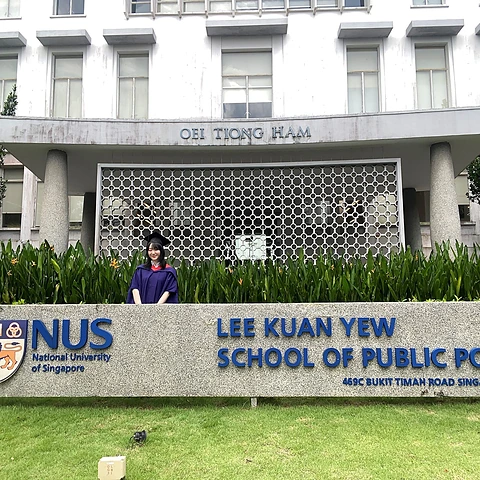

From August 2019, I spent one semester as an exchange student at the Lee Kuan Yew School of Public Policy (hereafter LKY) at the National University of Singapore. Many of the students entering GraSPP are fluent in English and have abundant overseas experience. Some have already studied abroad as undergraduates and may not really be considering studying abroad at GraSPP in the first place. However, chances to study at one of the world’s top graduate schools do not come around often, and I believe the study abroad programs GraSPP offers are wonderful opportunities where, depending on your own initiative, you can gain a wealth of invaluable experiences. I am writing about my experience at LKY in the hope that if you are considering studying abroad even a little, you will take on the challenge.
Classes I took three courses, and with the considerable amount of reading before each class, three-hour class sessions, and many presentations, I felt keenly just how demanding universities abroad are. At first I struggled, being in an unfamiliar country with less-than-perfect language skills, but I had the good fortune to meet a wonderful professor whom I could respect as a person, who said, “Rather than evaluating people by comparing them with others, evaluate them by how much they have grown from where they started.” The encouragement that professor gave me throughout the semester became a great source of strength for me.
Friendships Because LKY drew students from about 30 countries, you can interact with people of diverse cultures and ways of thinking and broaden your horizons. I was also amazed at how talented and good-natured the people around me were. They handled large amounts of class preparation as a matter of course, and on top of that they were actively engaged in extracurricular activities. I realized my own immaturity—how far I still had to go to compete on a world-class field. I also became good friends with the Japanese students enrolled at LKY as full-degree students. All of them were studying there mid-career, with far more life experience than I had, and there was a great deal to learn from them. Being stimulated by such people while learning alongside them is, I think, one of the great attractions of studying abroad at the graduate level.
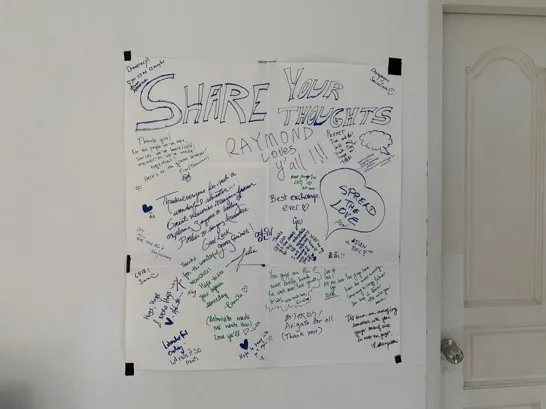
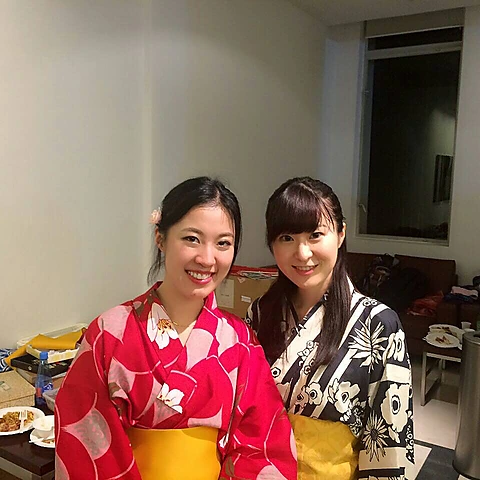
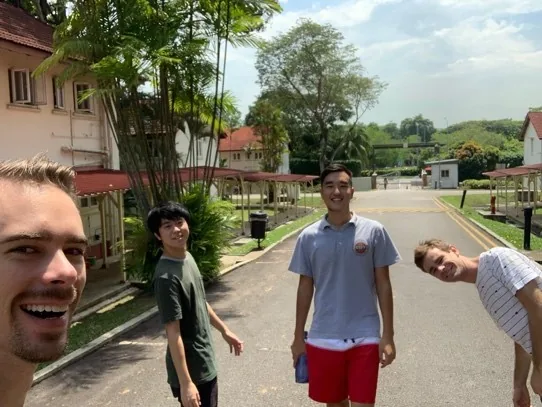
Daily Life I shared a unit with fellow exchange students from Germany, Switzerland, and Kazakhstan. On evenings when we had time, we chatted over drinks in the living room, and every week, after cleaning the house together, we would go out to eat—an altogether fulfilling life. During stretches when presentations and papers came one after another, I shut myself in my room and did nothing but study, but when I had a little breathing room I would visit tourist spots to unwind. There were also a pool, badminton courts, and basketball courts nearby that we could use freely at no charge, and since even graduate students can join clubs and the like, I did self-defense training once a week. A party was being held in some unit practically every week, so there is no sleeping on Friday nights (laughs) (participation is, of course, optional).
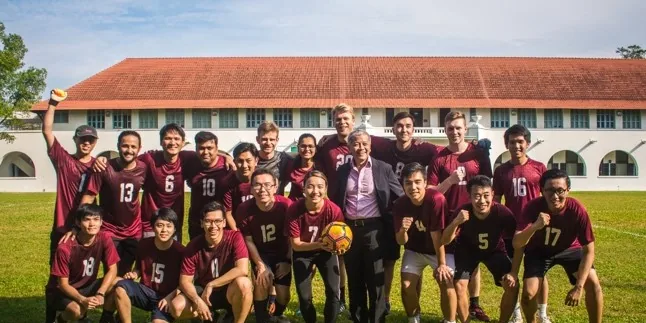
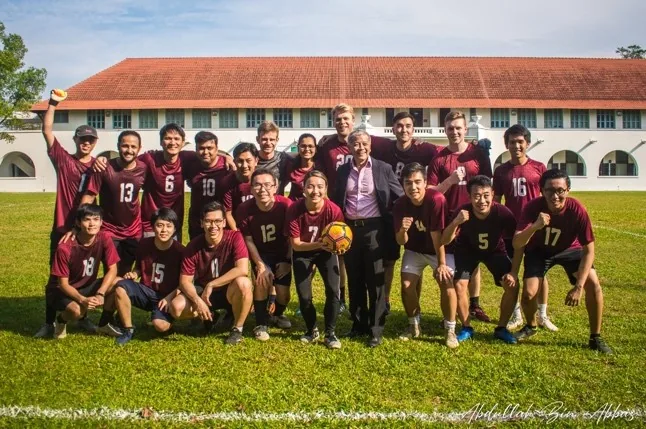
School Events LKY has an event called Cultural Night, where students put on performances by country of origin. Together with the other Japanese students, we performed otagei (Japanese idol-fan dance routines), and it was a huge hit (laughs). There is also a soccer tournament. LKY students and staff split up and play matches against each other—complete with coaches and play-by-play commentators—and if you win the match, each player receives a gold medal from the Dean (laughs). Thanks in part to a group of volunteers gathering every week to practice soccer, we were able to win the championship.
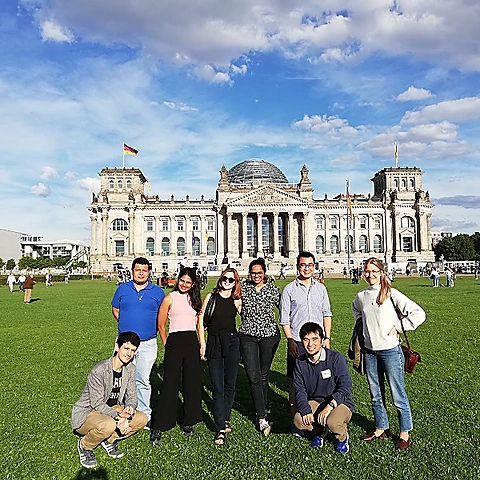
Travel From Singapore you can travel to neighboring countries without spending much time or money. (I got from Singapore to Kuala Lumpur by bus for about 800 yen.) You can travel during recess week, a period in the middle of the semester with no classes, and you can also take day trips to Malaysia or go to Indonesia by ferry. After the semester ended, I backpacked around Southeast Asia for about a month before returning to Japan.
In Closing In this piece I have written about the enjoyable parts, but there were many hard times as well. The professor I admired, whom I mentioned earlier, told me when we ate together in the cafeteria that it is precisely because you are “young” that you have so many opportunities, and that you should keep taking on challenges even when it is hard. As I am still a student myself, I am in no position to lecture anyone, but I believe that gaining many experiences and having your values shaken while you are “young” leads to great growth. If even one person who reads this comes to feel that taking on the challenge of studying abroad in graduate school, making the most of that “youth,” might be a good idea, I will be delighted. Finally, I was able to realize this study abroad experience thanks to the support of many people. I am deeply grateful to the staff at GraSPP, the people at LKY who welcomed me, and the family and friends who supported me. I would like to take this opportunity to thank them once again. Thank you very much.