
Introduction
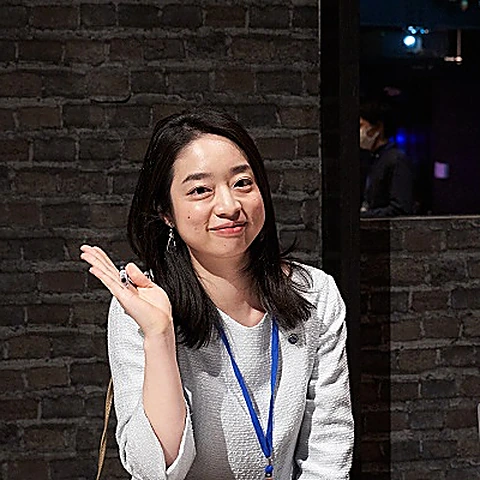
If there is one thing about me not found in other CAMPUS Asia Program students, I think it is that I went on to GraSPP after first experiencing working life following graduation from university. From my perspective as a working professional student in the CAMPUS Asia Program, I would like to look back on why I aspired to graduate study and on what I learned in graduate school, including at my study-abroad destinations; I would be glad if this gives even one more person a push toward graduate study or studying abroad.
Why I Aspired to Graduate Study: A Journey in Search of Myself
After graduating from university I worked at the employer I had hoped to join, but working life was harder than I had imagined. I learned how very long a share of one’s life is occupied by work, and precisely because of that, I came to think anew about what I wanted to realize through work and what kind of society I was aiming for; yet I felt frustrated at how difficult it was, while working, to secure enough time to think deeply about these things. Around the same time, the death of a relative made me realize that life is finite. An impatience began to sprout in me—that perhaps not so much time remained in my life that I could use just for myself.
While I was spending such restless days, a news item on Japan–Korea relations playing on the television I was watching during my lunch break caught my eye. It was a period when Japan–Korea relations had chilled to the point of being called “the worst since the end of the war.” Although I had majored in sociology as an undergraduate, I was also interested in international relations, particularly East Asian diplomatic issues, and I had long hoped to participate in GraSPP’s CAMPUS Asia Program (hereinafter “CAP”) and deepen my learning on these subjects systematically, including studying in the region. As an undergraduate, various circumstances kept me from going on to graduate school, but when I saw that news, my feelings from back then came welling up again. I came to feel that even if I tried to think about my life’s mission, I could not move on to the next step with this lingering regret remaining, so I resolved myself and applied to graduate school.
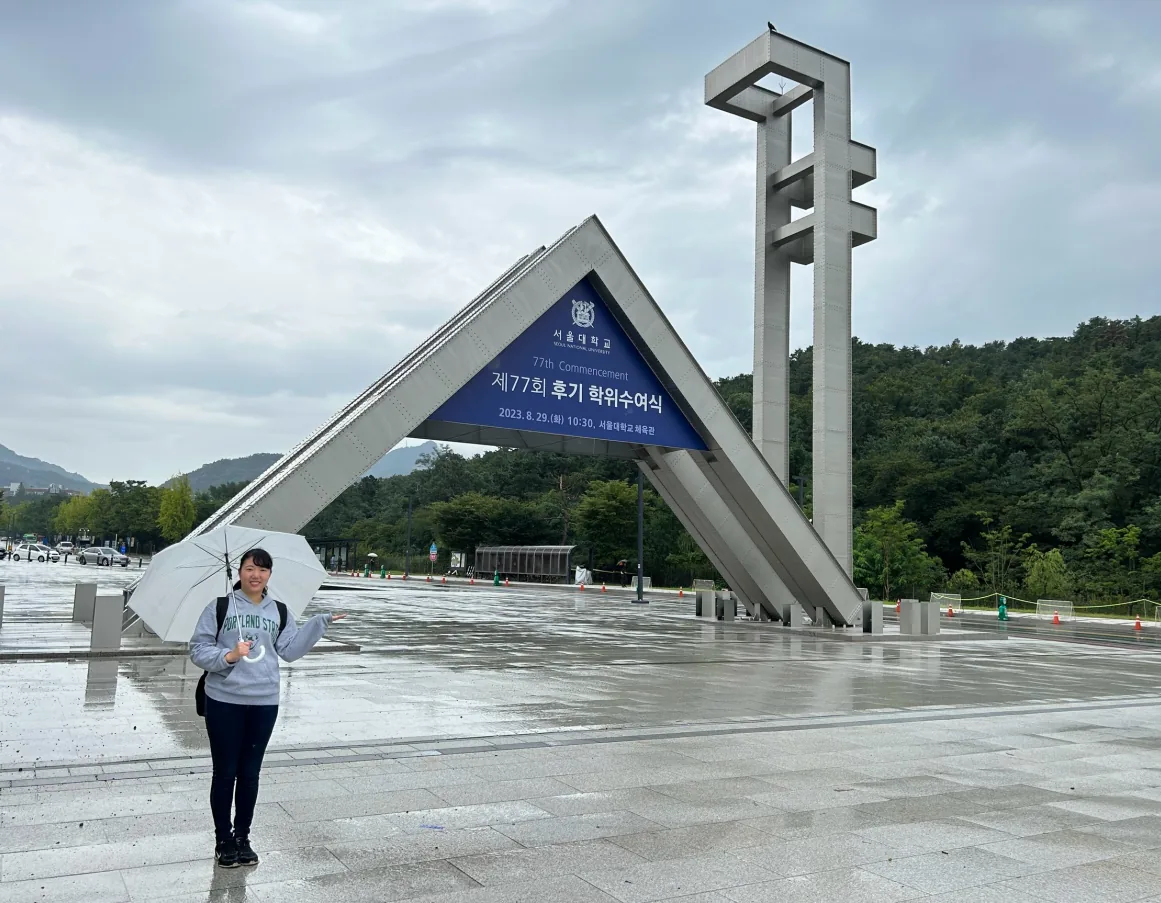
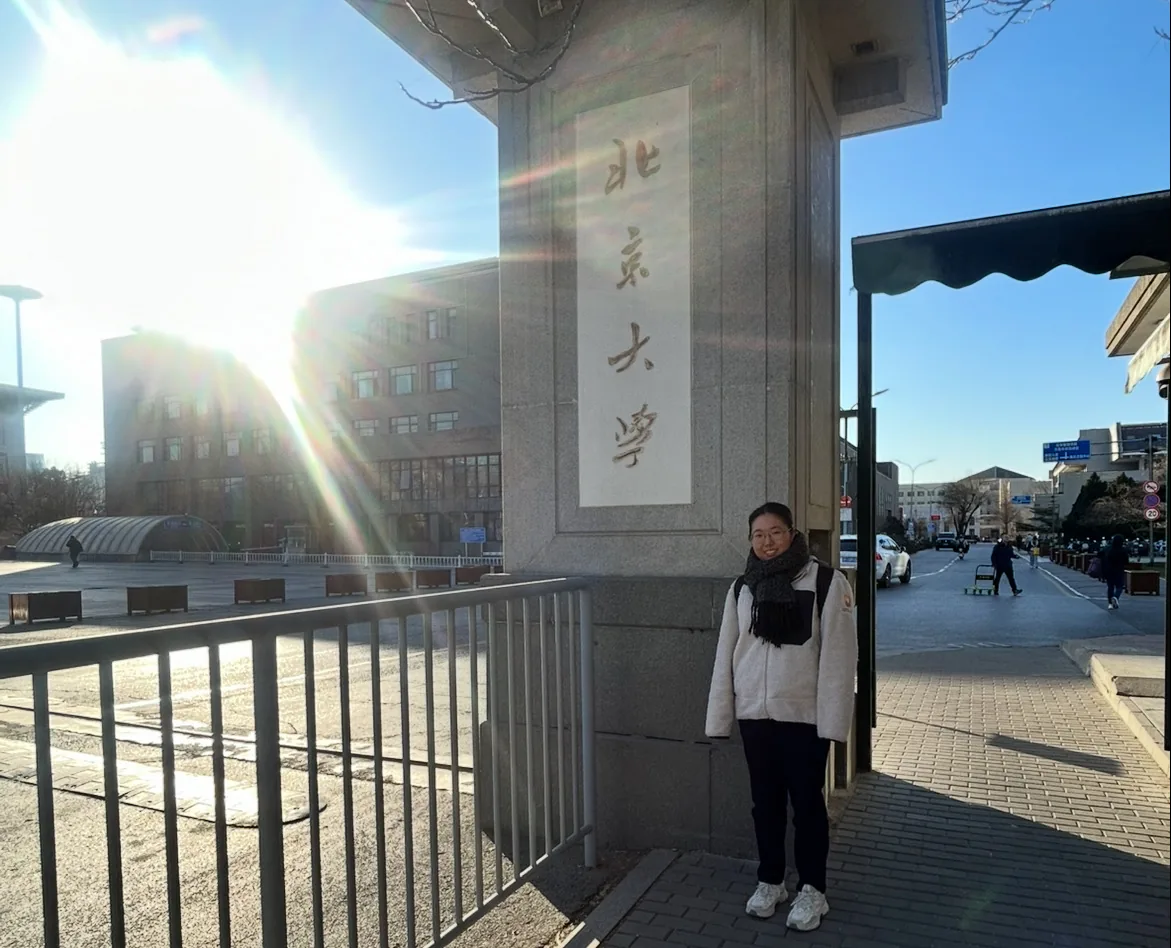
The result: I passed. Fully ready at last, I enrolled at GraSPP. After first studying in the MPP/IP course for one year, I was given opportunities to study at Seoul National University’s Graduate School of International Studies in Korea for one year (double degree) and at Peking University in China for half a year. I have now returned to Japan and, back at GraSPP, am writing my master’s thesis.
Daily Life at Graduate School and at My Study-Abroad Destinations
The days I spent as a graduate student were extremely fulfilling. Not only was I able to obtain what I had wanted so desperately while working—time to calmly and carefully read books and think about things—but also, partly because I was paying the tuition myself, I savored the joy of being able to learn even more than when I was an undergraduate, as if chewing on it slowly. I also feel that, precisely because I had once experienced practical work, I was able to engage with classes and texts while holding the perspective of feasibility and implementability. It also made me very happy that classmates who had come straight to graduate school and undergraduate friends listened with interest to my opinions grounded in practical experience. I also formed connections with working professional students active in various industries who, like me, had come to graduate school after working.
My student life as a GraSPP student is still ongoing, so below I would like to look back in particular on my days at Seoul National University and Peking University, where I studied abroad through CAP.
Double-Degree Study at Seoul National University
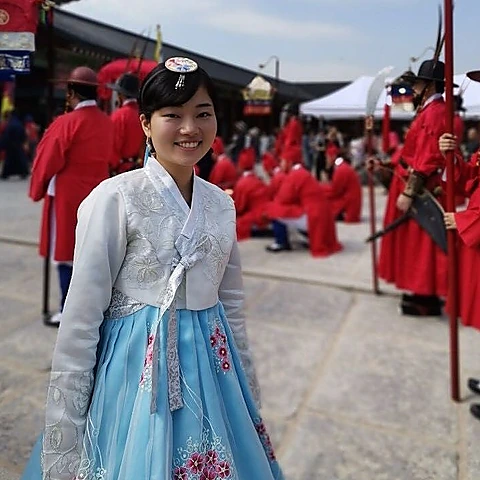
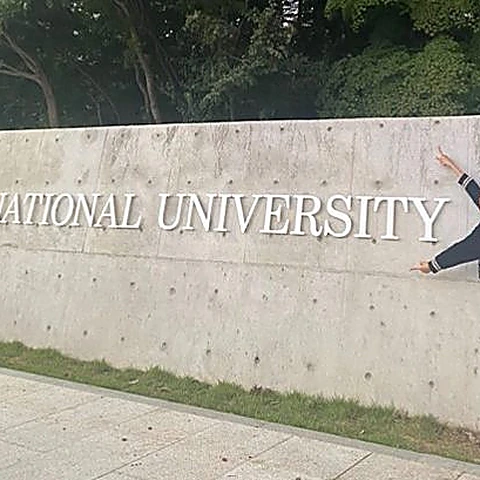
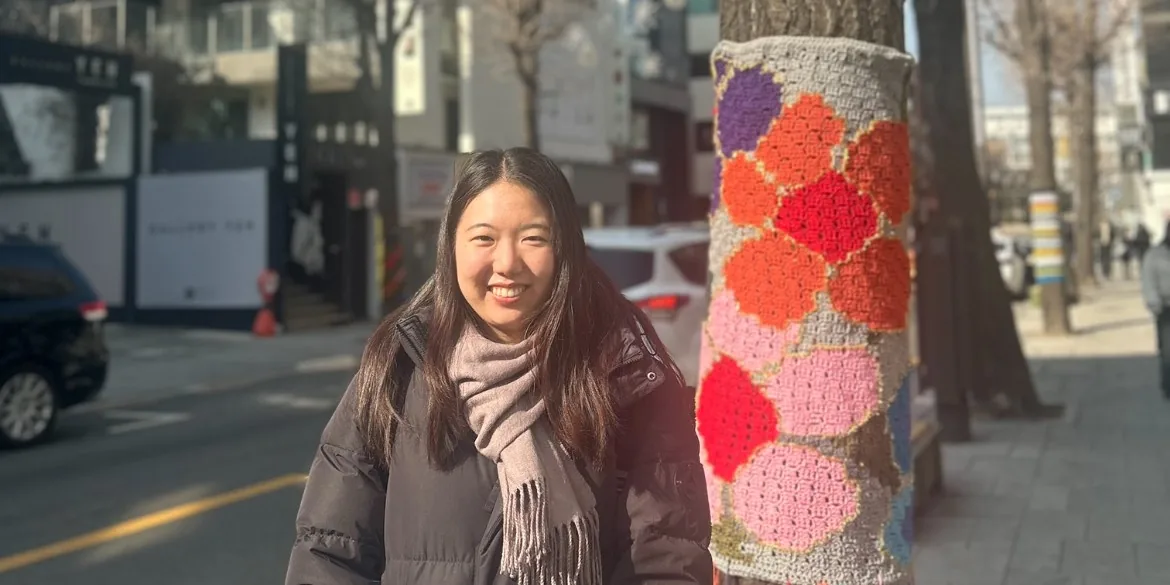
At Seoul National University’s Graduate School of International Studies in Korea, where I was enrolled for one year, I mainly took courses on international relations. In the first half year I studied mainly theory, and in the latter half year I took courses specializing, as case studies, in the East Asian region and Japan–Korea relations. My reason for applying at the time of admission—wanting to learn about international relations from the Korean perspective—was one conscious of the gap between the Japanese and Korean positions, but after studying, what stayed with me was the commonality: that, setting aside individual points of contention, when one surveys world affairs from a broad vantage, Japan and South Korea are important partners in the region sharing the values of democracy.
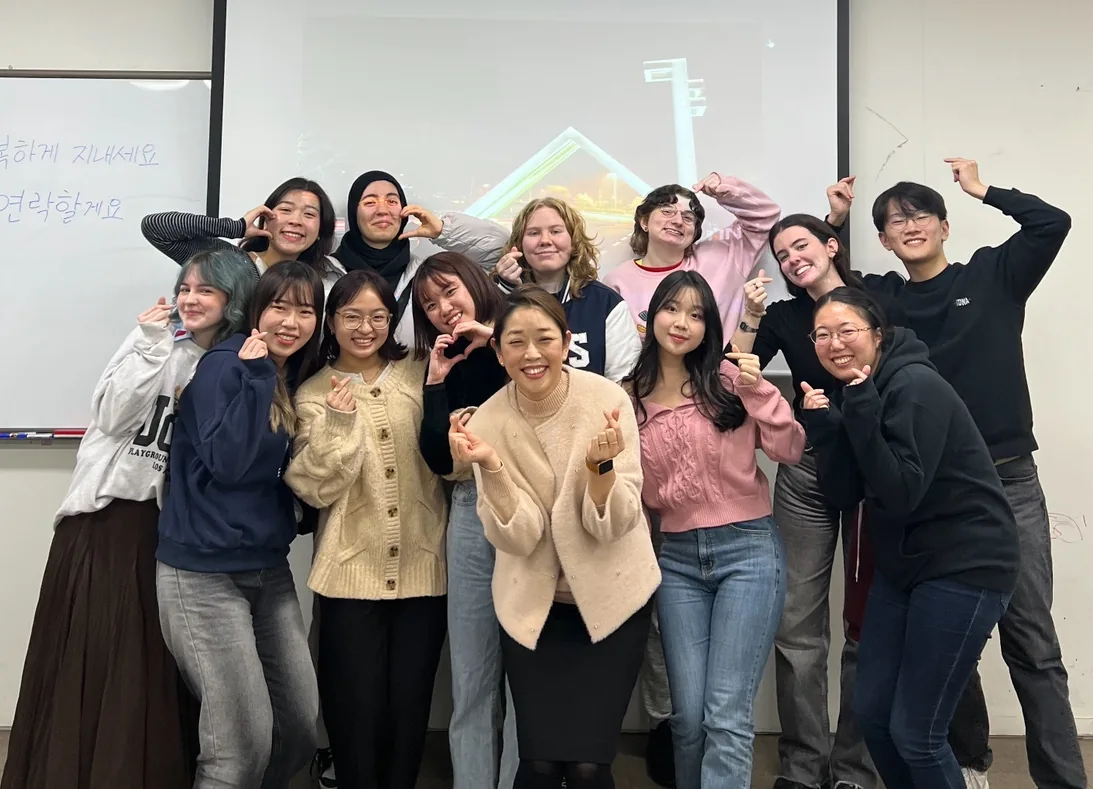
In addition to this, I also attended the Korean language school attached to Seoul National University. At the language school you are divided into classes by level with a homeroom teacher assigned, so I felt as if I had gone back to being a high school student. What is more, you study in the same classroom as students who have gathered from around the world, drawn by Korean culture. Sharing common interests and spending at least half of every weekday together, we became close in the blink of an eye. Not only did my Korean language ability improve, but I had the fresh experience of connecting with the world through the Korean language. They say culture crosses borders, and I felt anew the spread of Korea’s soft power and its appeal.
Exchange Study at Peking University
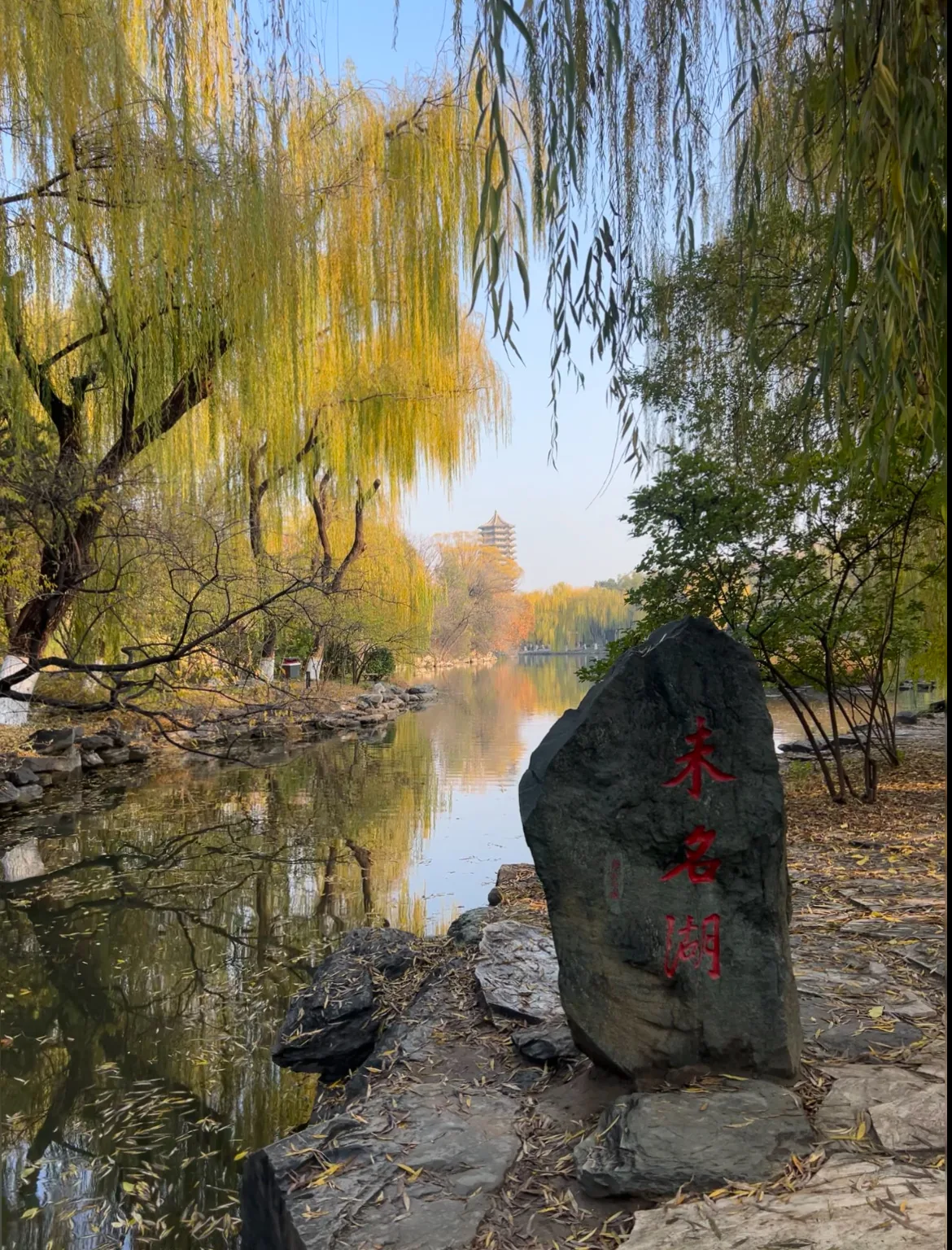
Weiming Lake, a famous spot at Peking University
In China, where I stayed for half a year, I felt a relative difference in character compared with Japan and Korea, in terms of its scale and political system. The scale of absolutely everything was large: to take just the university as an example, the size of the campus was on a different order, and merely going back and forth between classrooms and the dormitory I walked nearly 10,000 steps every day (healthy!). Peking University is far from the city center, but on campus I was able to enjoy myself—playing tennis, gazing at beautiful buildings and the lake, and touring the dining halls offering all kinds of dishes from across China. The countries of origin of the international students were also richer in diversity than in Japan and Korea; I felt that the cohort of students from the so-called Global South, especially the former Soviet Union and African countries, was particularly large.
At Peking University, too, I mainly took courses on politics and diplomacy, but even more than the content of the classes, what stayed with me was the difference in the principles that constitute the society. Classes for local Chinese students and foreign international students were separated, and I heard that Chinese students in particular were prohibited from taking the English-language classes “for foreigners.” Perhaps because all classes held at the university were recorded, I had the impression that the professors were careful about their remarks in class. It was a stay of only half a year, but I felt keenly the preciousness of the freedom of speech and of scholarship that I had enjoyed as a matter of course in Japan.
Extracurricular Activities During Study Abroad
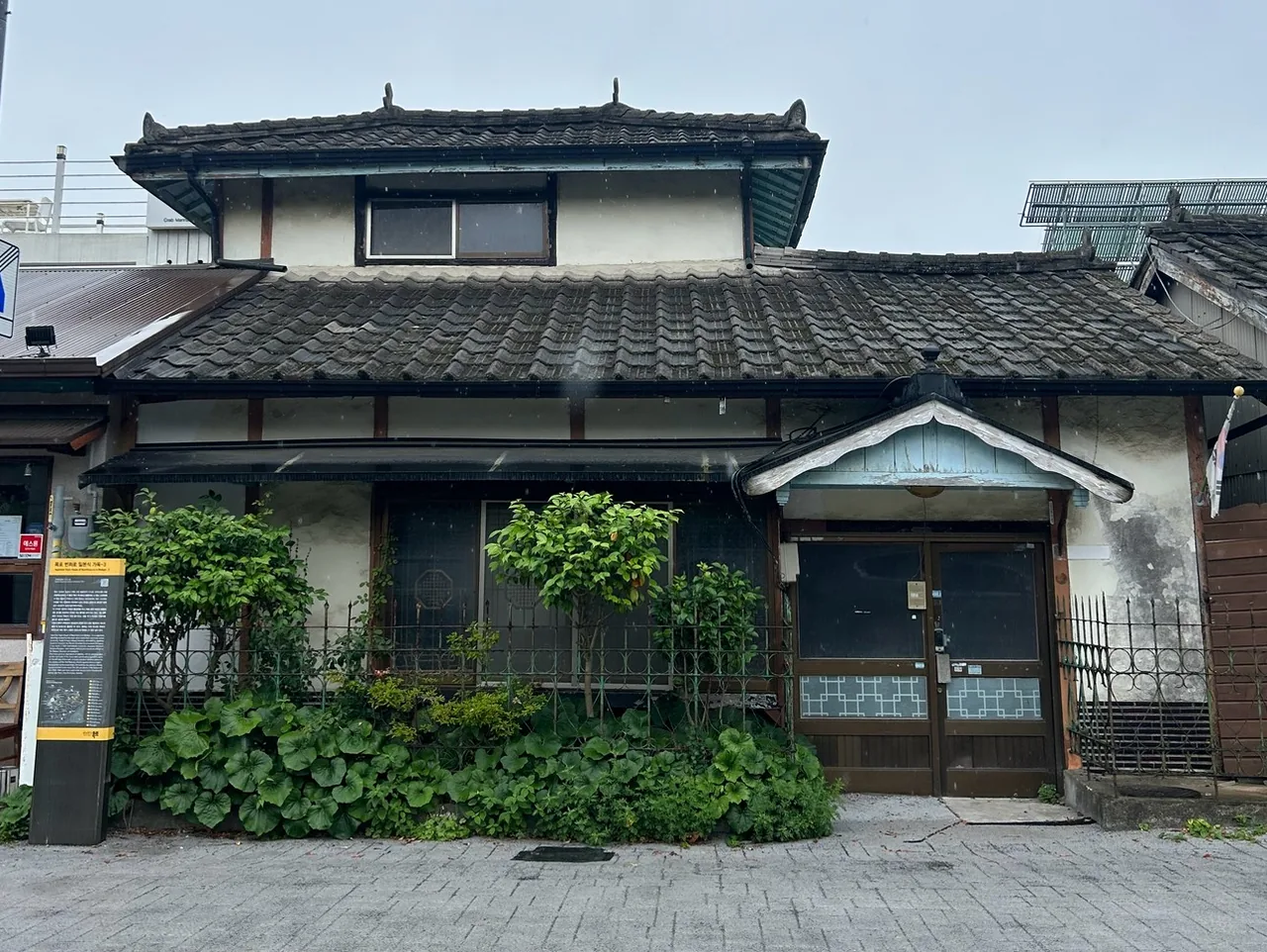
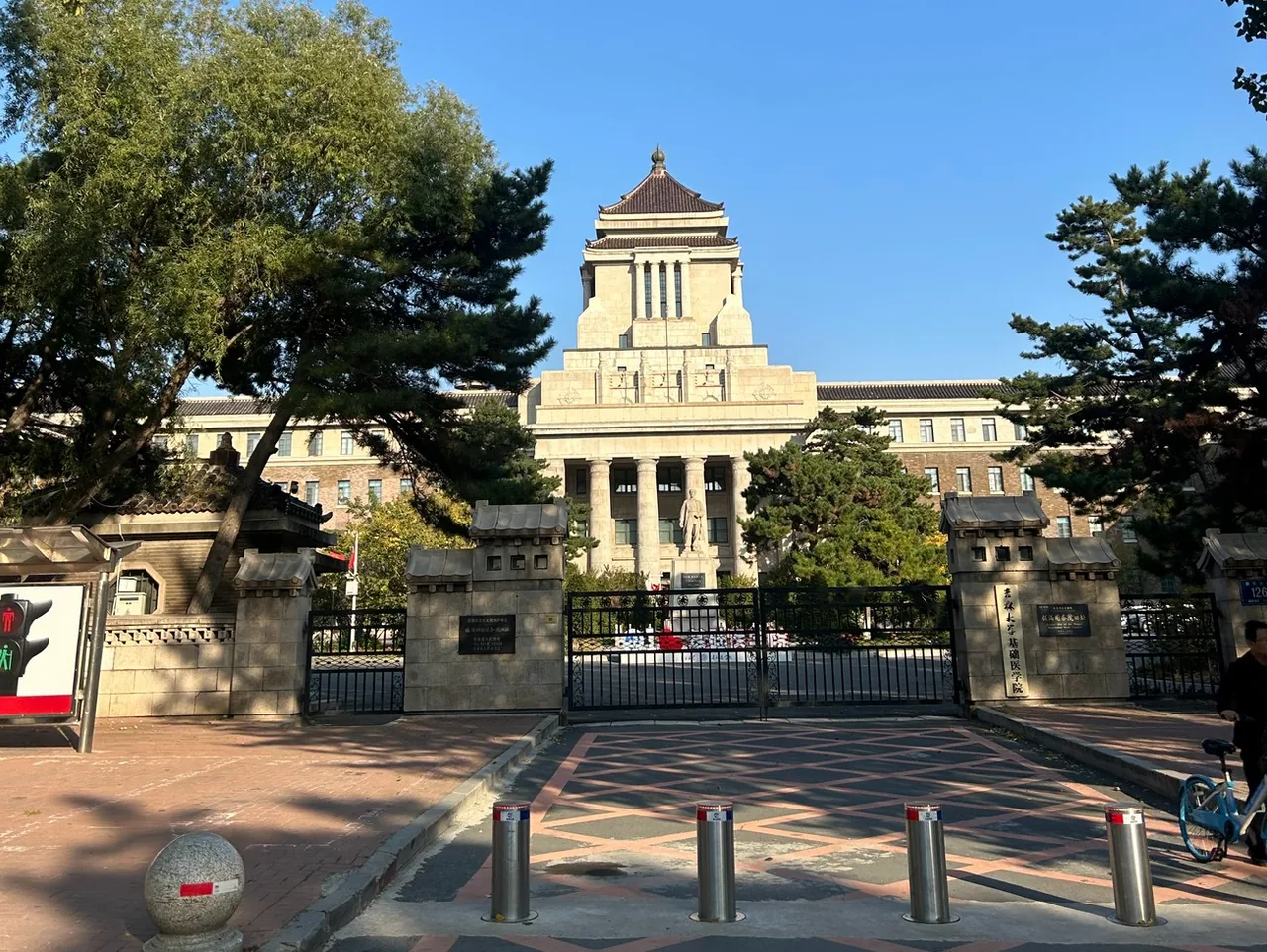
Apart from these, making use of my time outside class, I visited museums and historic sites related to modern history in both China and Korea. Being able to visit multiple regions in a single stay and look around them thoroughly is without doubt a merit of a long-term stay. The trips to Mokpo in Jeolla Province, Korea, where many Japanese lived before the war, and to Changchun in Jilin Province in northeastern China became especially unforgettable visits. Buildings that appear to have been used by the Japanese of that era remained, in their prewar state, to the point that one forgot one was in a foreign country. I could not help turning over in my mind what kind of daily life had been lived there, and what people felt as they left that land. To anyone interested, I would recommend paying a visit at least once.
What I Gained Through Graduate School Life and Study Abroad: Networks and a Life’s Work
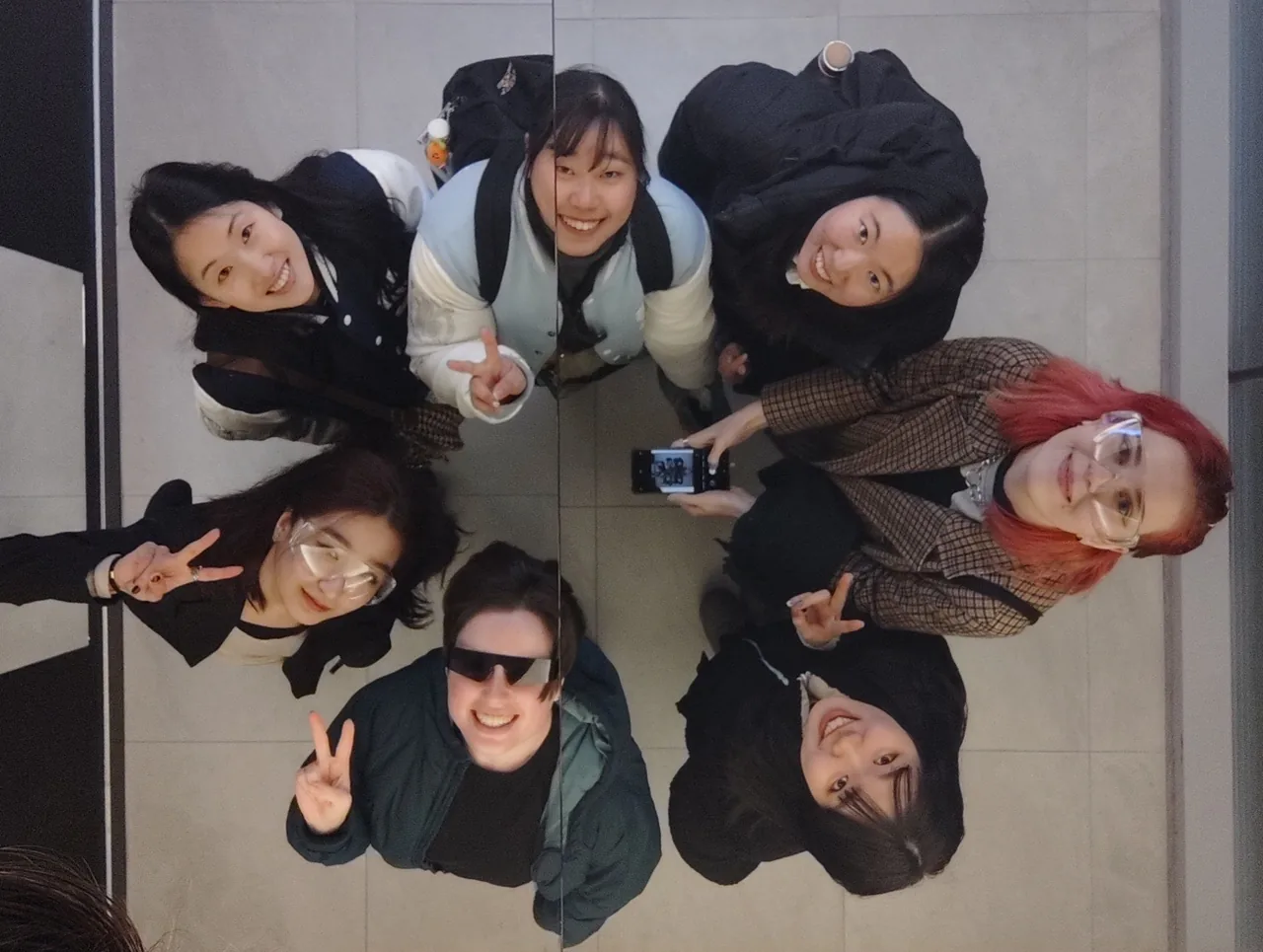
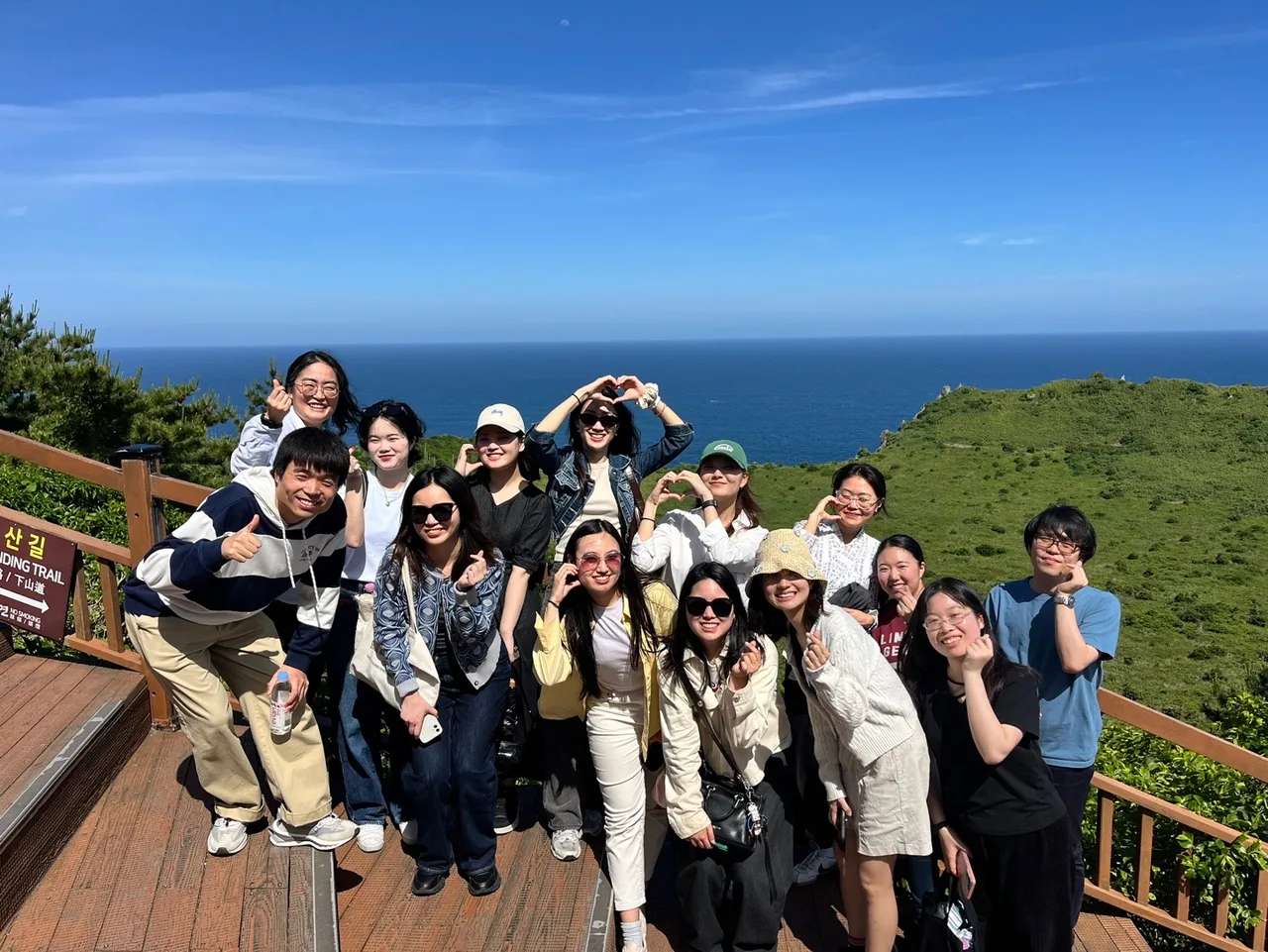
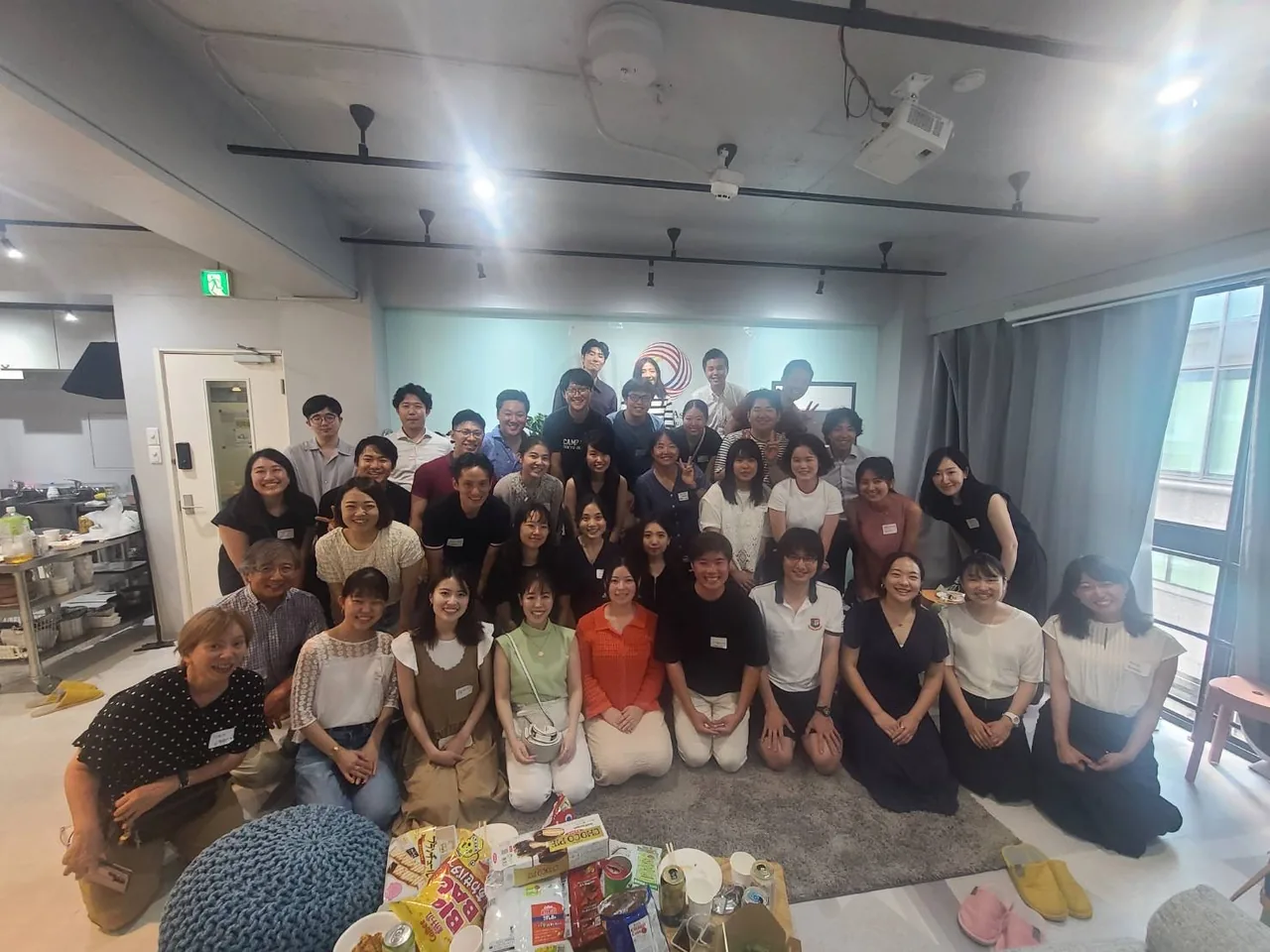
The important asset I gained through CAP—commonplace as it may sound—is the encounters with friends from around the world, including China and Korea, and with the professors at each university. The title of “student” is a wonderfully convenient one: with people of any standing, I was able to have flat exchanges of views in which I conveyed my honest thoughts. At both Seoul National University in Korea and Peking University in China, not only did the younger students who had come straight through treat me kindly without any distance, but both graduate schools also had many students with working experience enrolled, so I never had trouble making friends. Moreover, at all of the universities in Japan, China, and Korea, opportunities such as dinners and field trips for deepening friendship among CAP students are provided, so you can spend very dense time together with the Chinese and Korean students. Not only exchanges among current students but also gatherings including graduates are held regularly, so through participating in the CAP community I was also able to build connections with many seniors.
One more thing that was significant for me personally was that I encountered my “life’s work.” I had joined CAP out of interest in East Asian diplomatic issues, but through the program my focus gradually shifted to a new issue: gender. For what struck me in the days spent with my Korean and Chinese friends was not the misunderstandings due to differences in nationality, but the shared empathy over common social problems. With the women of Seoul, I got angry together at the male classmates who changed their classroom attitude depending on the gender of the instructor. Whenever I posted my impressions of Chizuko Ueno’s books on social media, it was always the women of China who sent the most enthusiastic “likes.” One Korean friend was dejected at having been told by her academic adviser, when she consulted about going on to a doctoral program, “If you want children, don’t.” That image of her overlapped with myself, who had felt a sense of defeat at the scarcity of women in management positions thriving while raising children.
Ikumi Haruki wrote on the band of her book Kankoku Shakai no Genzai [Korean Society Today] (Chuko Shinsho, 2020): “Our neighbor’s anguish is Japan’s near future.” In our country, which has pursued modernization with Western countries as the model, it seems that in the area of social policy, too, when it comes to other countries’ examples, Western countries have inevitably been the reference. But if Korea and China are culturally closer, and in addition their economic levels are coming into line with ours, there could be no more attractive reference point than this. One diplomat told me, “The young generations of Japan, China, and Korea today see one another as equals. There is neither an inferiority complex nor a sense of superiority there. This is a wonderful thing.” My expectations swelled for the new forms of solidarity and exchange that our generation could bring about. I intend to keep walking forward while continuing to treasure these two distinctive strands of mine: East Asia and gender.
In Closing
I offer my heartfelt thanks to those who have read this far despite the length. Honestly, even this does not cover so much as one-tenth of my CAP memories, but if my account of my experience can heighten someone’s interest in CAP or give them a push to apply, there would be no greater joy for me. If there is anyone out there who is hesitating, I sincerely hope you will take up the challenge. In the very midst of turbulent world affairs and rapid social change, I look forward from the bottom of my heart to someday, somewhere, being able to hear the story of the CAP experience that you—at this very moment—and only you could have achieved.
[Postscript]
This article represents the author’s personal views and does not represent the official views of the author’s organization.