
What motivated you to enroll at GraSPP?
I thought that studying public policy, which plays a part in social transformation, would be valuable for thinking about my own areas of interest: immigration and multicultural coexistence. Moreover, not limited to immigration policy, the challenges facing Japanese society — such as the expansion of relative poverty and changes in social structure — are easy to recognize, yet nearly all of them are difficult when it comes to identifying the concrete problems and finding practical measures for improvement. I was drawn to policy studies, an interdisciplinary discipline that attempts to solve social problems from the perspective of policy while weighing practical benefits, and decided to pursue graduate study.
Could you tell us about any activities or classes that left an impression on you during your graduate school life?
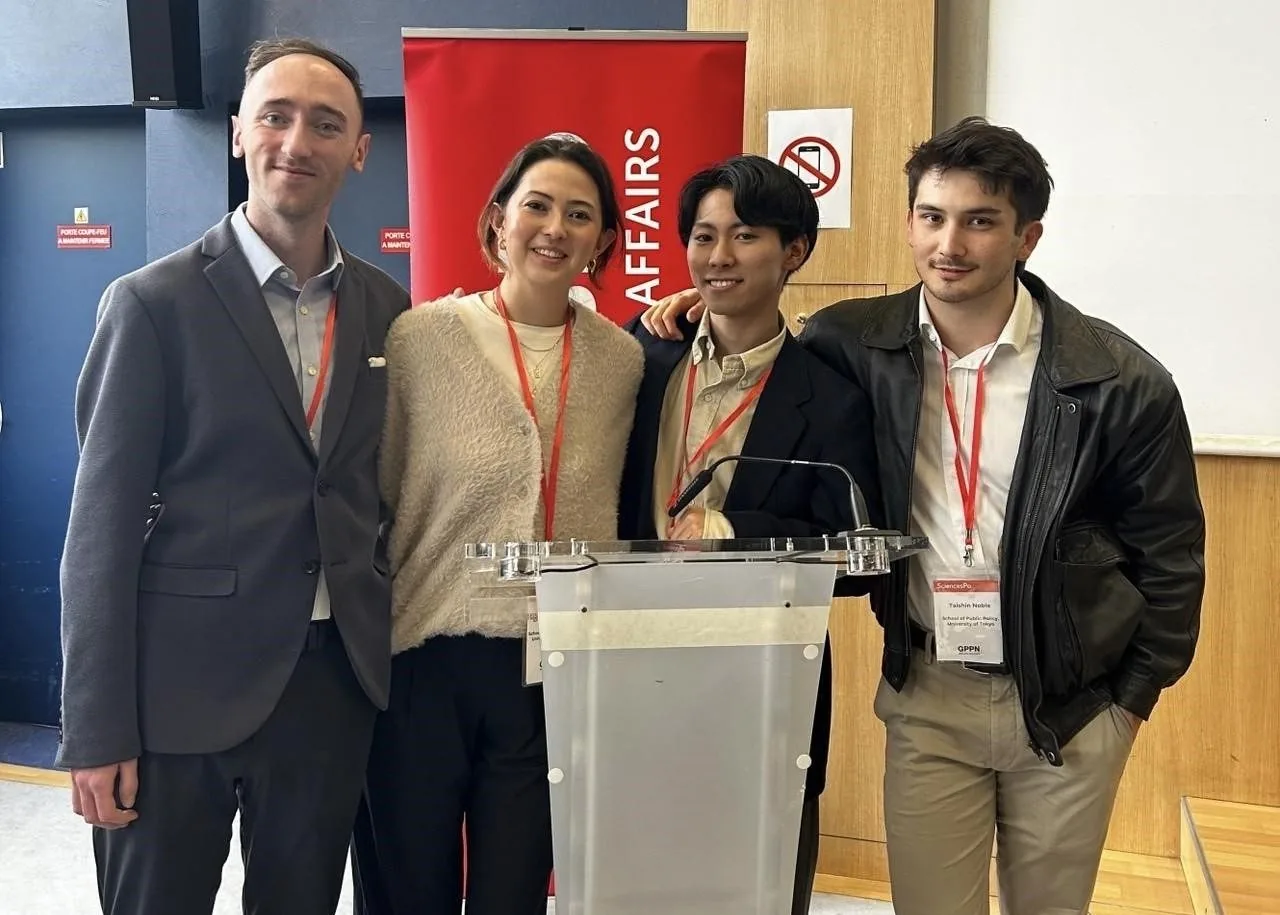
Participating in GPPN, an international policy competition, and the Politics and Mass Media course. At GPPN, we carried out policy proposals as a group. We held meetings repeatedly, day and night, and advanced to the final presentation at Sciences Po. Beyond the technical research work itself, it was an experience rich in learning from the standpoint of collaborative work, such as discussion, as well. In the Politics and Mass Media course, we heard directly from speakers active on the front lines of politics and were given the opportunity to spend more than half of the class time asking questions — an extremely stimulating place of learning.
How did you come to join the student council?
Because I entered the international course in April, I was able to build relationships naturally with both Japanese students and international students from immediately after enrollment. In the process, I learned that GraSPP’s diversity was not being brought out to its fullest due to the lack of interaction. I then thought that having someone like me in the student council could strengthen the connections among students and make GraSPP an even more attractive place to learn, so I decided to join.
What do you think makes GraSPP attractive?
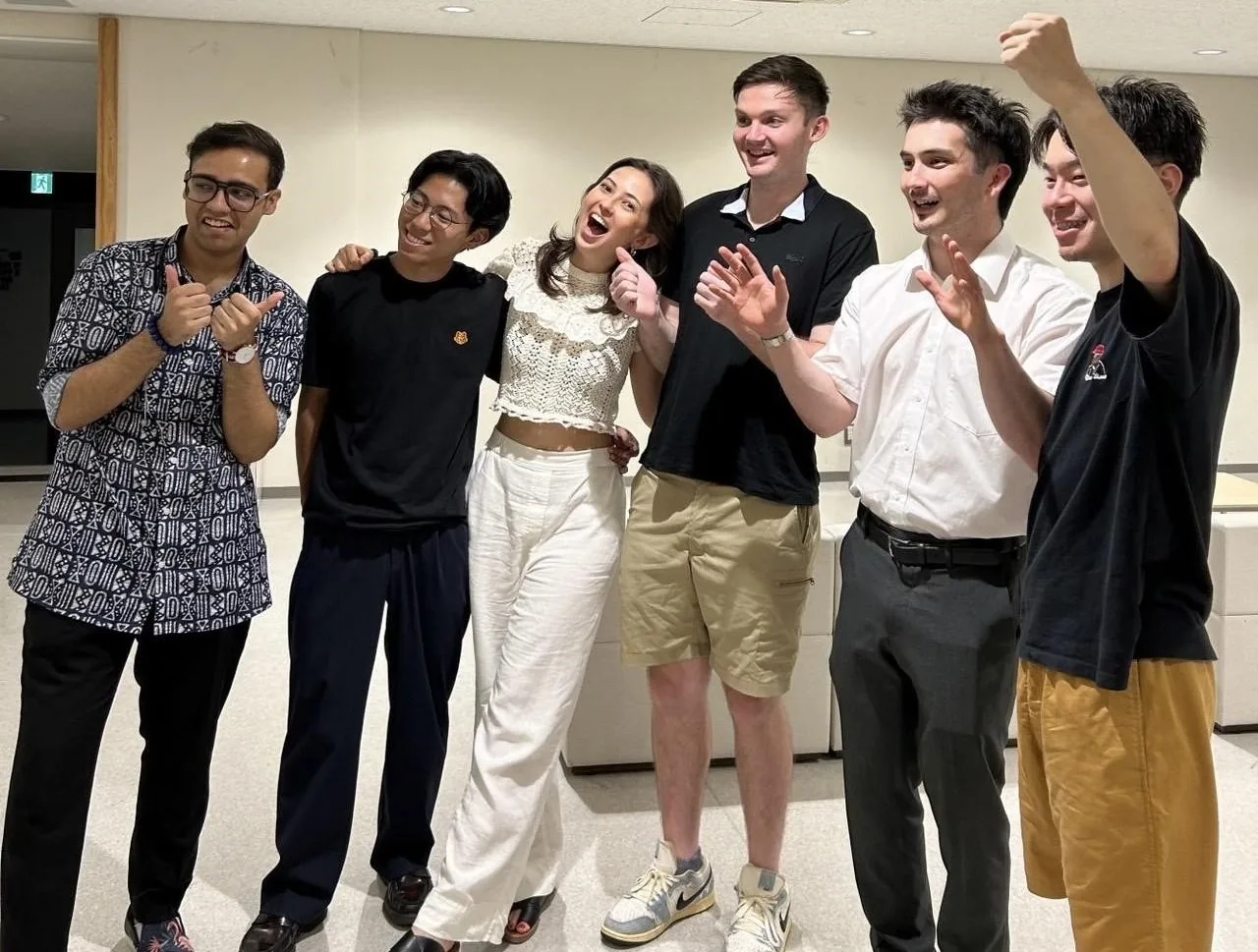
My classmates are diverse — from people seconded from public institutions, to those with consulting experience, to those who came straight from various undergraduate faculties. More than half are international students. What these students have in common is an interest in public policy and in other people. In the lounge, you can often see students spontaneously and passionately discussing everything from jokes to class topics and current affairs. This environment, where you can build new relationships in which you can debate on an equal footing, is extremely attractive.
How do you think your learning and experiences in graduate school will serve you in the future?
Through the student council, I believe I was able to develop my ability to carry out projects and to coordinate, through working with diverse students, faculty, staff, and alumni. In classes, I also think I acquired the habit of identifying the stakeholders involved in a policy or matter of interest and grasping the key perspectives and requirements. Furthermore, the classmates I met at GraSPP are working in government agencies and a variety of industries, each according to their own convictions, and I feel they are an invaluable asset — people with whom I can engage as my true self and with whom we will continue to influence one another.
Do you have any advice for current students or those considering enrollment?
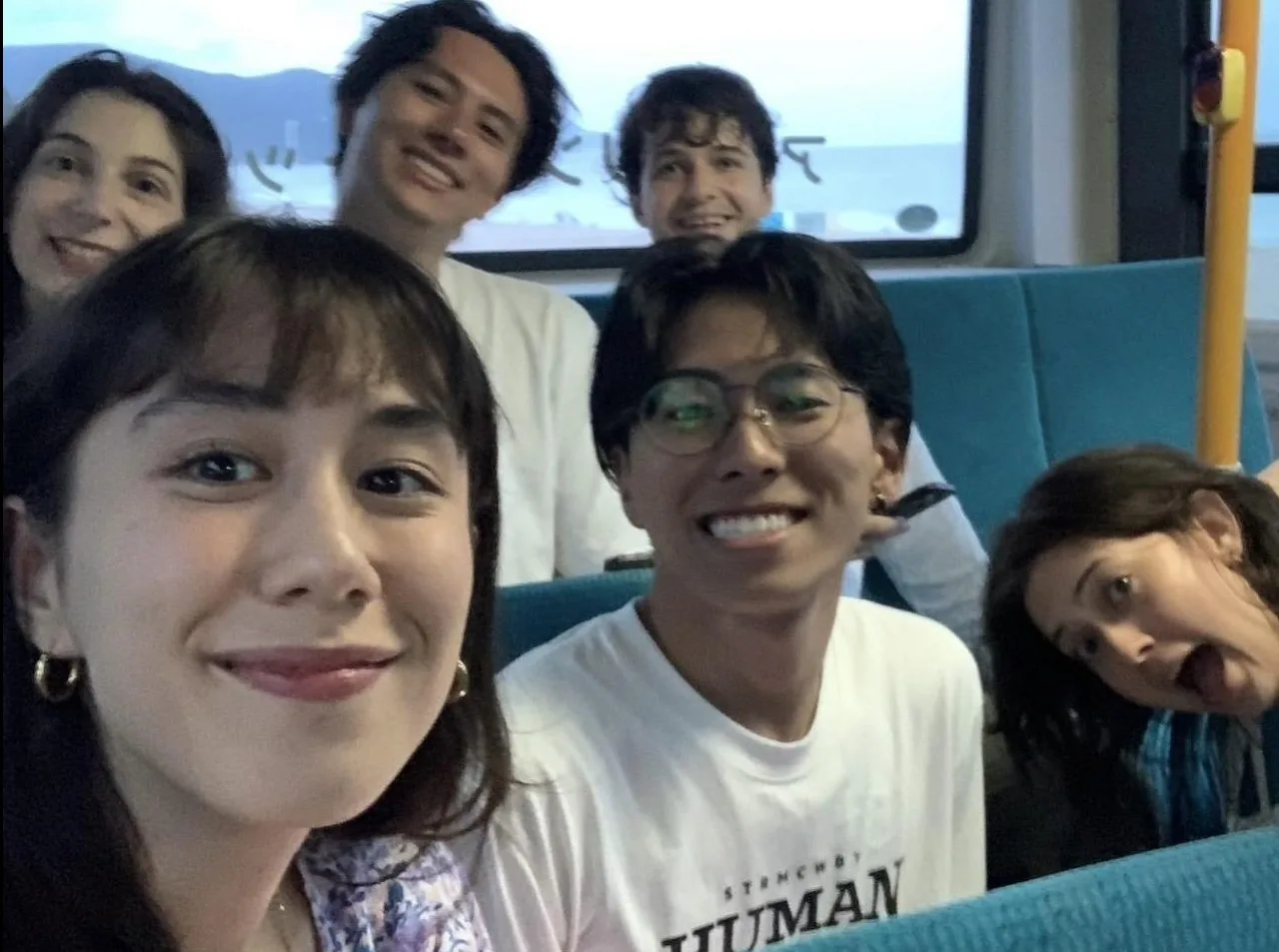
I believe this place has everything you need to take on challenges. Course selection is highly flexible, abundant opportunities for study abroad and training are provided, and even whether or not to write a master’s thesis is left to each individual’s discretion. How you spend your two years at GraSPP differs from person to person. I hope you will keep gathering information and spend this time so that it becomes the most valuable period for you. If you set your own direction, the environment to achieve it is here.