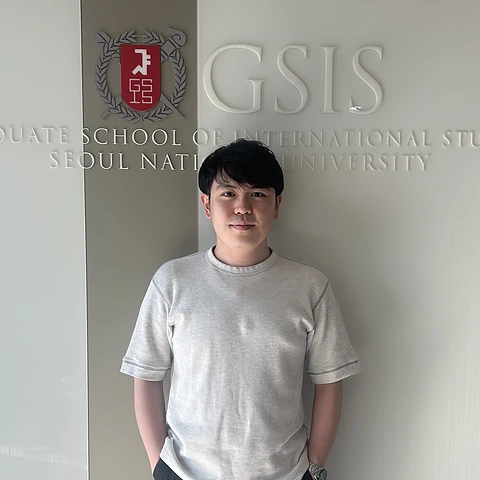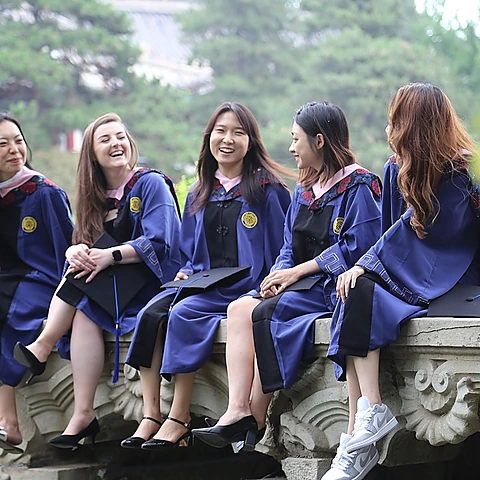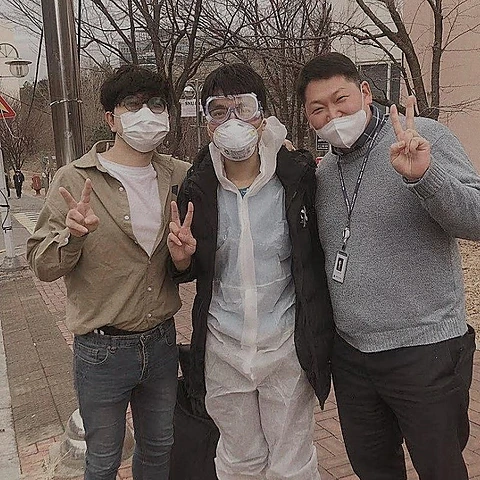

I enrolled in the Graduate School of Public Policy at the University of Tokyo in April 2015, majoring in the CAMPUS Asia Program. Through the program, I earned a double degree from the University of Tokyo (Japan) and Peking University (China), and spent six months as an exchange student at Seoul National University (South Korea). After graduating, I worked at the Ministry of Foreign Affairs and then at a financial institution, and I now work at a global consulting firm. While engaged in management consulting and data analysis as my main occupation, I have also founded and run a company as a side business. In this article, I would like to talk about the benefits I felt from majoring in the CAMPUS Asia Program and how the program connects to my current work.
The Benefits I Felt from Majoring in the CAMPUS Asia Program
As a student, I hoped to pursue a career related to peacebuilding in the future. At the time, relations among Japan, China, and South Korea were deteriorating, so I wanted to begin by building good relations with our neighboring countries, and I chose to major in the Northeast Asia CAMPUS Asia Program.
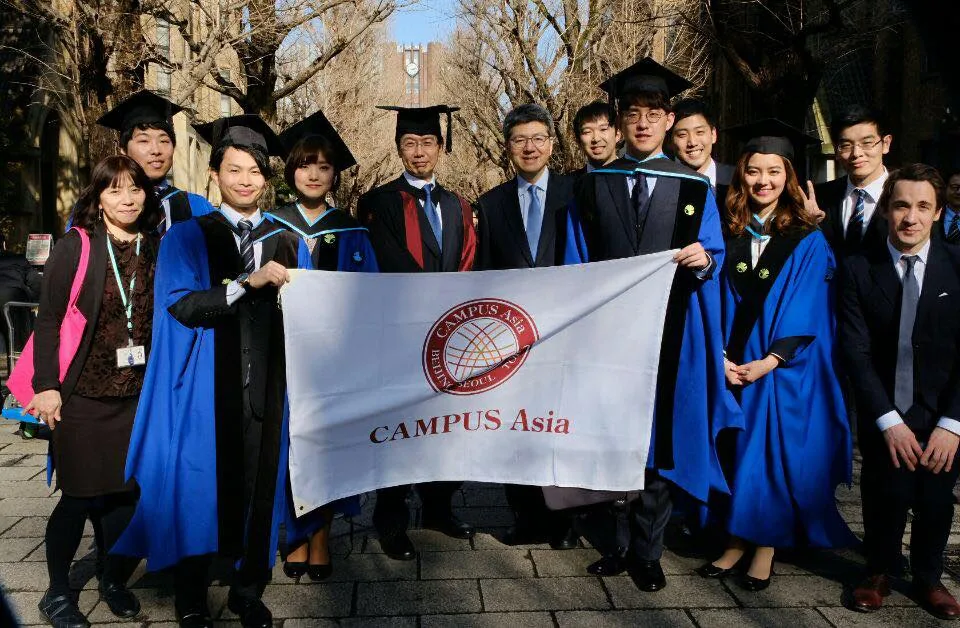
The first advantage of the CAMPUS Asia Program that comes to mind is that, by studying in South Korea and China, you can experience local life firsthand. I believed that experiencing local life and deepening my understanding would be important for promoting peacebuilding in East Asia. I experienced many things during my study abroad, and I was struck by the realization that Japan is not necessarily running at the forefront. In China at the time, there were technologies and services—such as well-developed delivery services—that were ahead of Japan in certain fields. In addition, what left an impression on me from living and traveling there was that I was never disliked or discriminated against simply for being Japanese; on the contrary, I felt that people took an interest in me. I came to feel that promoting Japan-China-Korea relations at the people-to-people level is indeed possible.
The second benefit is that you can learn about East Asia from the perspective of your host country and exchange views with local students. Moreover, the professors at each graduate school are often involved in policymaking and advisory work, and they share interesting episodes from those days.
The third benefit is that you can build connections related to China and South Korea that can be put to use in the future. Students at Peking University and Seoul National University are expected to lead their countries in the future, and being able to connect with these future leaders is surely a major advantage. You can also build many connections with professors in each country and with Japanese people active locally. During my study abroad, events such as the Japanese alumni association in Beijing and University of Tokyo alumni reunions were held regularly, and being able to hear the valuable views of Japanese people working at the cutting edge overseas was a precious experience in thinking about my own future.
My Path After Graduation and Future Goals
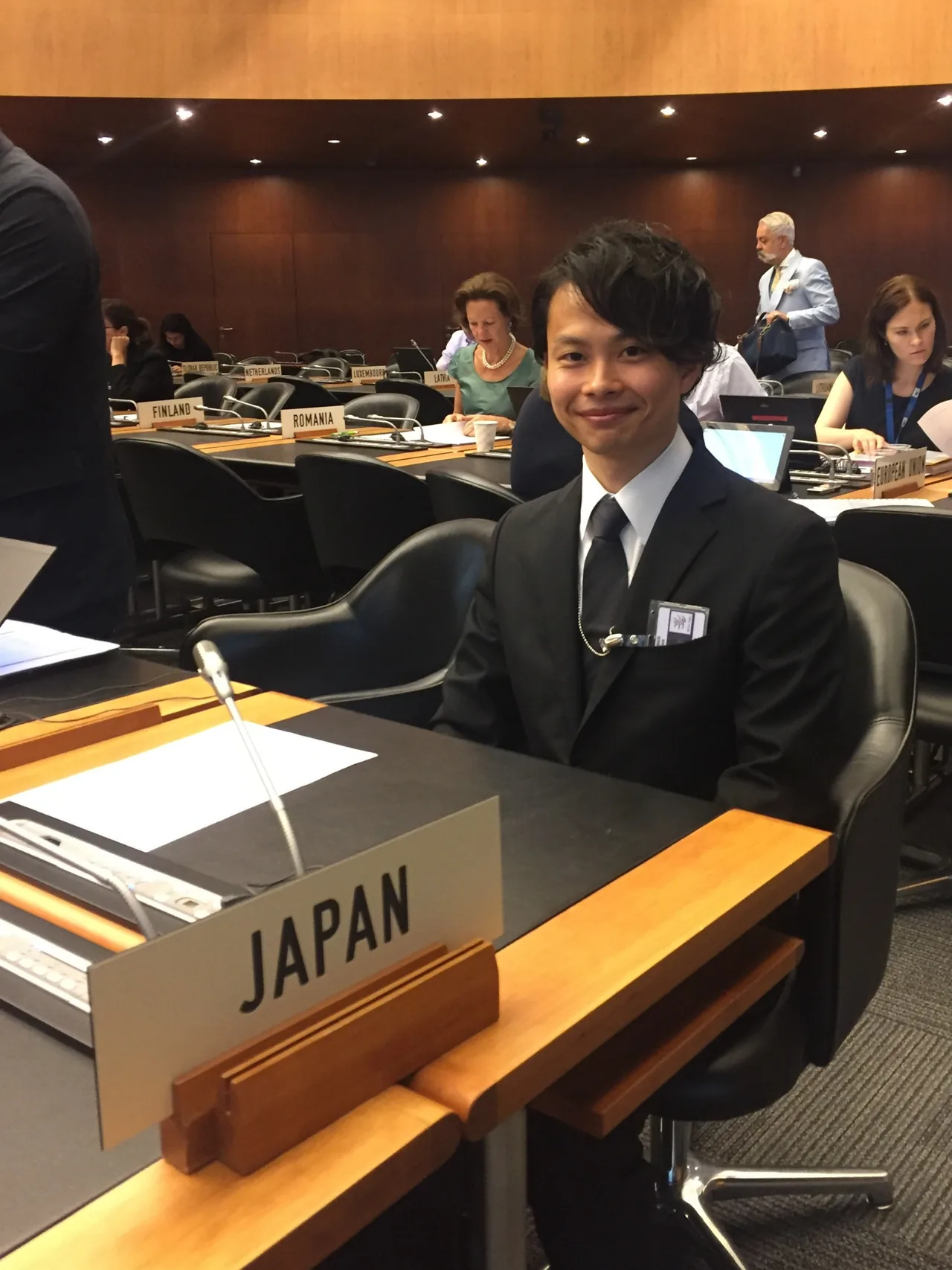
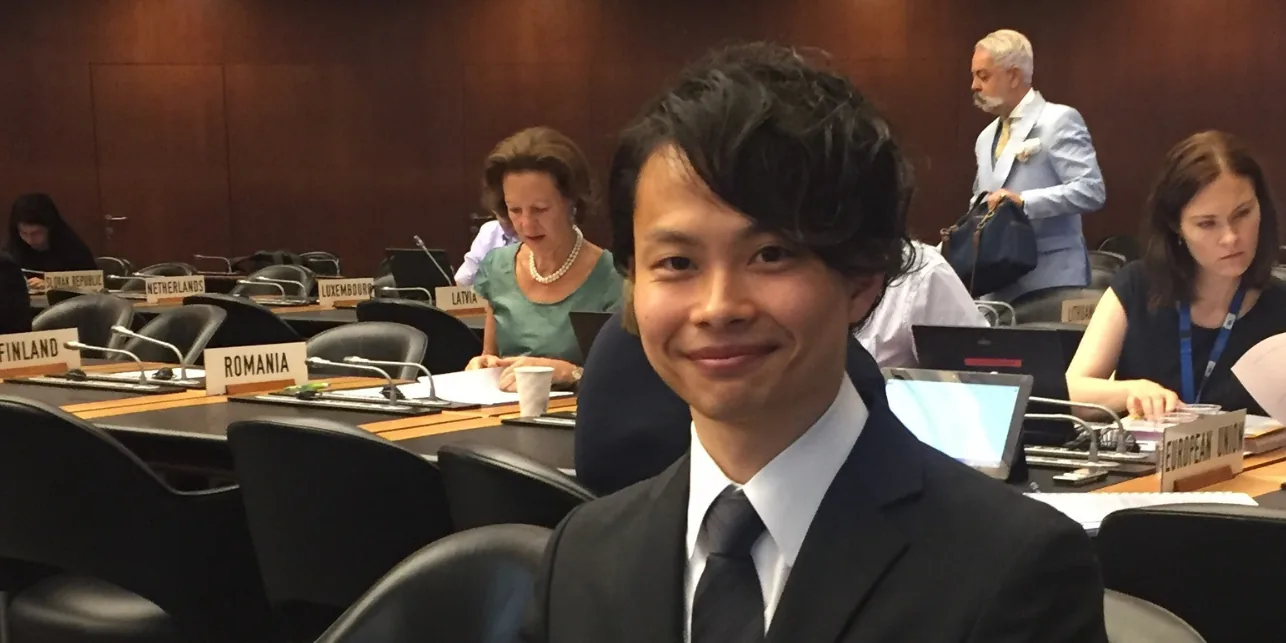
A class on WTO negotiations that I took at Seoul National University led me to think that facilitating trade among Japan, China, and South Korea could contribute to peacebuilding, and I joined the International Trade Division of the Ministry of Foreign Affairs. After joining the ministry, I was in charge of trade and development. It was a very good experience, but while working at the ministry, a strong feeling grew in me: “I want to become someone who draws on my strength—creativity—and creates something from zero to one in order to help people in need.” I began to want to take on the challenge of moving to the private sector or starting a business. After working on the development of financial products in the new business division of a major financial group company, I moved to a global consulting firm to sharpen my structural and strategic thinking. In my current job, I am mainly engaged in management consulting and data analysis.
Since moving to the private sector, I have gone about my daily life thinking about what kinds of problems people in the world are struggling with, and I taught myself programming so that I could create something from zero to one with just a single computer.
As I spent my time that way, I noticed a problem: “Few people have basic knowledge of the international money transfer market, and many people are probably not sending money overseas at favorable rates.” So, while working as a consultant, I founded BizforBetter LLC and released “Moneysaver,” a service that compares about 20 international money transfer services in real time. Together with colleagues who share my desire to solve the problems of international money transfers, I am now working to improve the service and aiming to make it even more comprehensive.
Going forward, I hope to draw on my experience of working in both the public and private sectors and to remain engaged with world peace, continually asking myself what only I can do. I feel that what I have today is the result of continuing to take on challenges without fear of failure. To everyone considering applying to CAMPUS Asia, I sincerely encourage you to take on the challenge.