
From the Private Sector to GraSPP
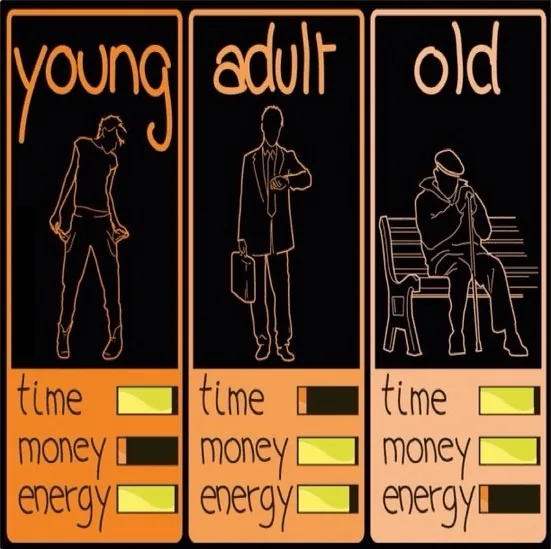
“The young have no money, adults have no time, and the old have no energy.” This all-too-famous phrase is probably a truth for many people, and it is just as this “young person” is becoming an “adult” that I am studying public policy at GraSPP, and at LSE.
By encountering businesses all over the world at the general trading company I joined as a new graduate, I was able to glimpse who the parties involved are and in what ways they take part. The turning point came in 2020: the coup that broke out in Myanmar and the spread of COVID-19 forced many of the projects I was involved in to be suspended or withdrawn, and the energy I had to spare while teleworking lost its destination. At the same time, watching the staff of international organizations working tirelessly toward solving these problems, I came to find work in the public sector appealing and grew interested in that way of working.
The role of private companies, I would say, is to contribute to the world’s development through business and to improve people’s lives. However, being for-profit enterprises, they must always think about returning profits to shareholders, and they often face difficult judgments about how to strike a balance with social impact. I do not have a specific research topic, but underlying my current studies is the question that interests me: “What contributions should states, international organizations, private companies, NGOs, local communities, research institutions, and others make toward realizing a more prosperous society? And how should that be organized?”
Dive into London
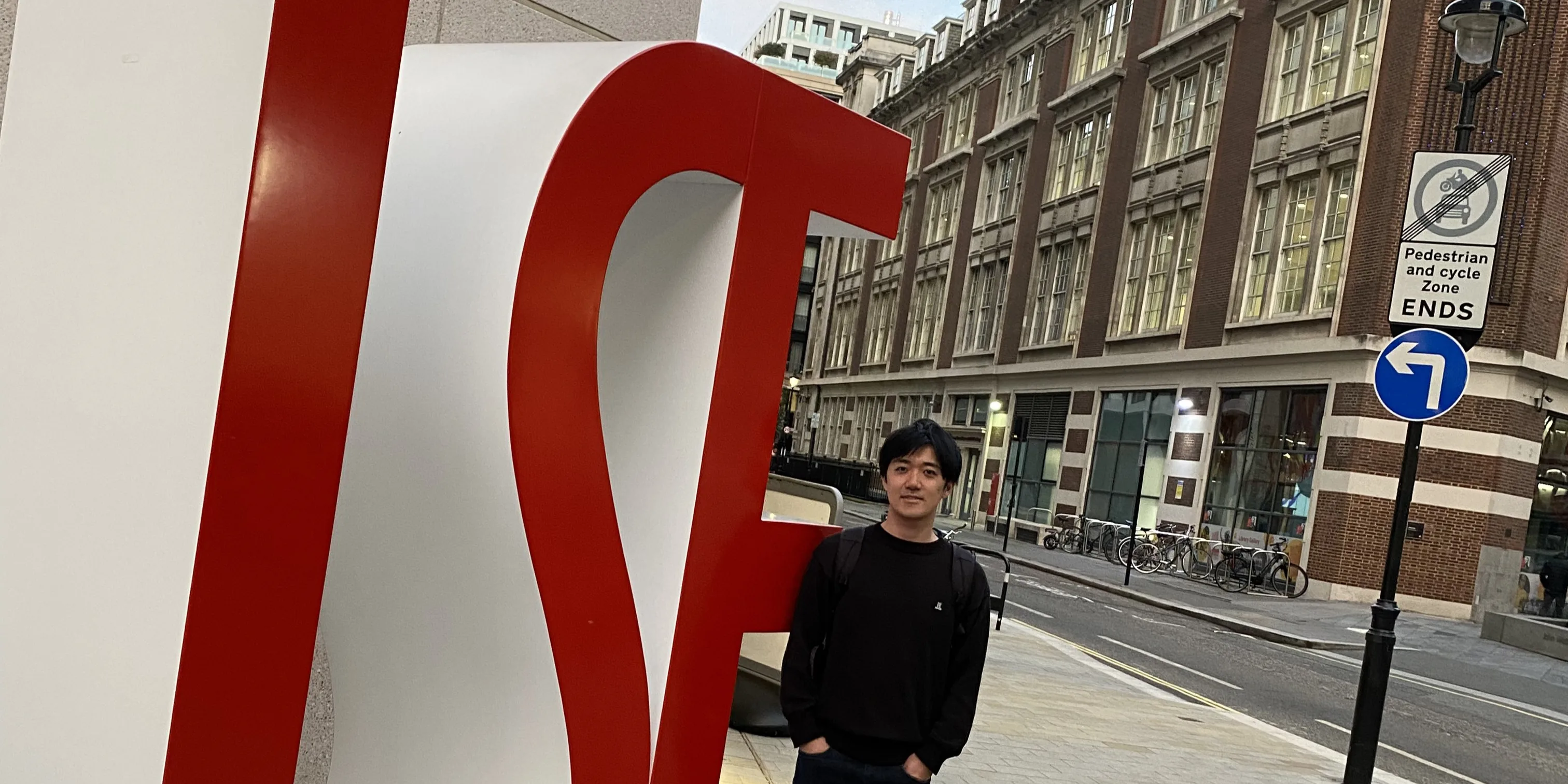
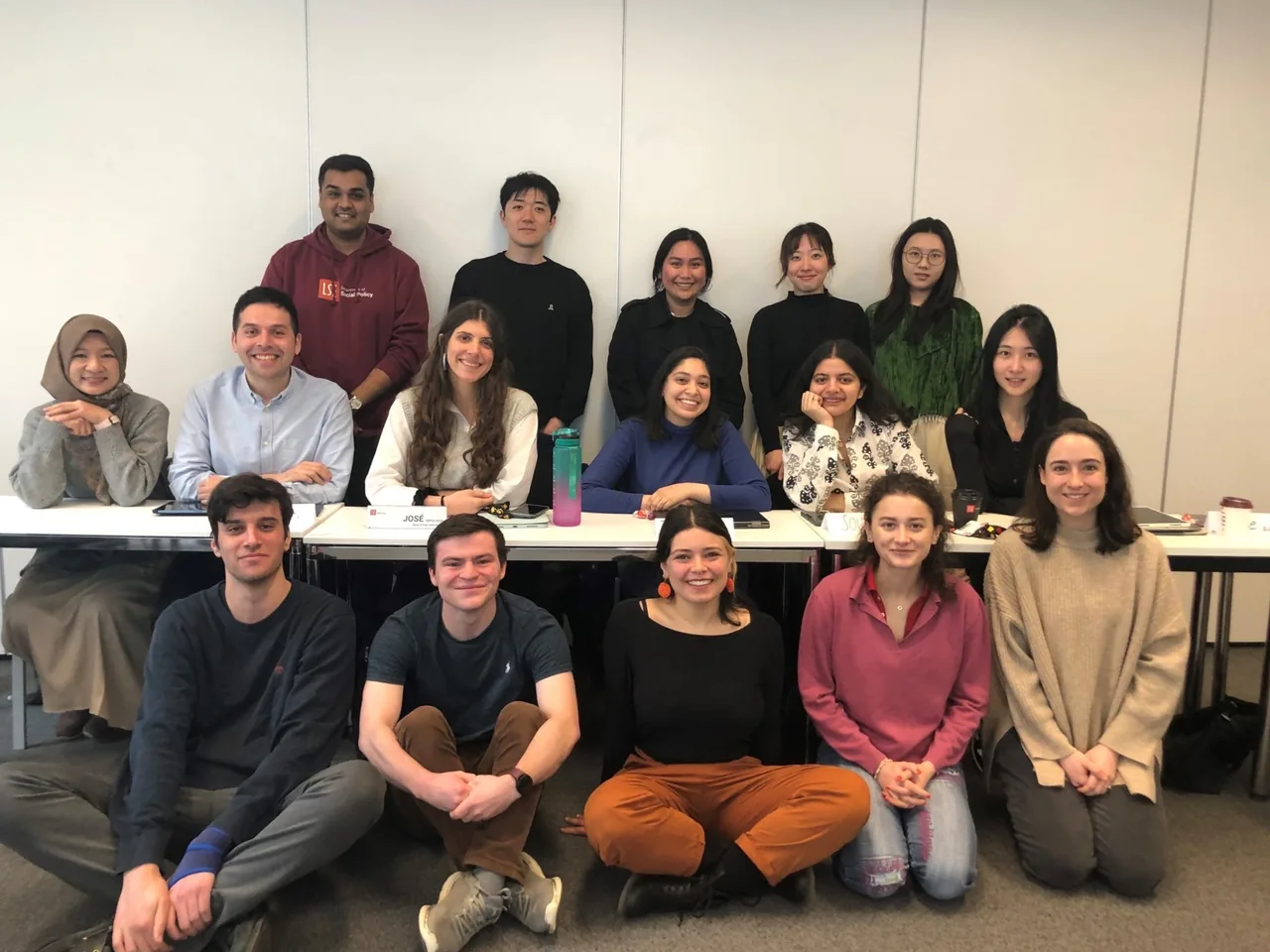
After spending a year and a half at GraSPP, I have been studying at LSE since September 2023, and the LSE School of Public Policy, to which I belong, draws many students from all over the world. There are children of influential South Asian politicians, and there is a student dispatched from the finance ministry of a certain South American country. A friend from Sudan apparently decided to go on to LSE after the university he attended was occupied by the military, an experience that made him keenly feel the need to study policy. It may be a commonplace impression, but studying surrounded by students with diverse nationalities and professional experiences, and with fascinating personalities, is truly stimulating. In the Capstone Project I did in a team of four, just before the final report deadline there were stretches of days when we took part in meetings at the library until past 3 a.m., rested a few hours, and then went back into meetings. Precisely because they have gathered in London from countries around the world with firm resolve, everyone is tough and powerful.
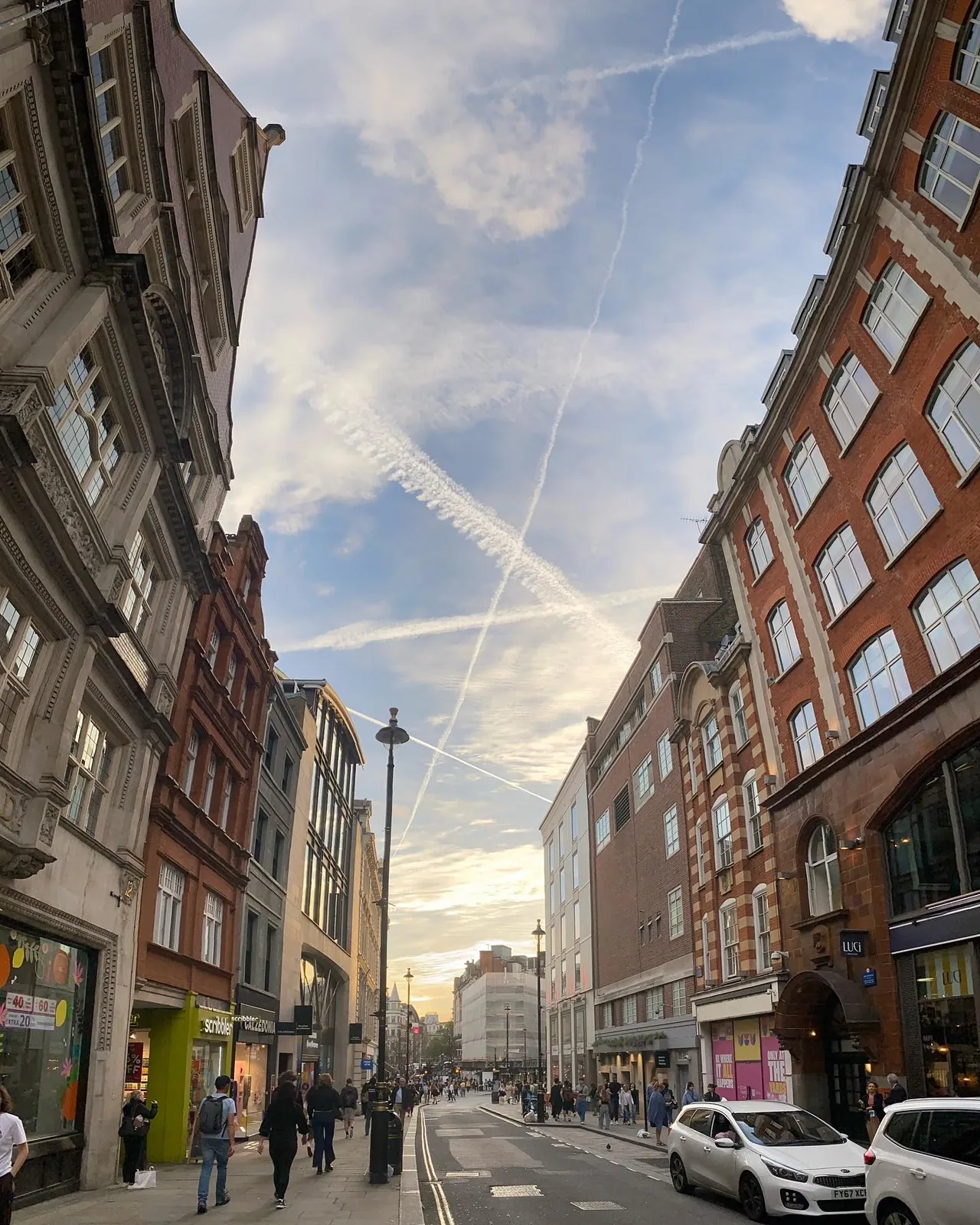
Life in London is great fun, including the parts you cannot predict. You are guaranteed to be tossed about by trains halted by strikes and to feel your stomach churn at the accelerating depreciation of the yen, but at the beauty of the very occasional break in the clouds, almost every international student withdraws the complaints they had until then. With a culture of studying hard and playing (drinking?) hard firmly rooted, the pub on campus is always bustling with students just out of class.
ALL IN
Working adults around my age sometimes ask me for advice about going to graduate school or studying abroad, and I always answer that they might as well take on the challenge. With anxieties about interrupting one’s career, income, family matters, and so on, it is not an easy decision, but I believe it is by no means impossible. The “several years of career and income” that at first glance seem lost are, I genuinely feel, transformed into “resolve for the future and motivation to learn,” and exist with certainty within me.
In my own case, going on to GraSPP and LSE was made possible in part by pouring in vast resources such as money and time, and by the understanding and encouragement of those around me, so there is certainly a feeling that, now that things have been set in motion, I cannot afford to mope around. And it may simply be that this feeling is making me unconsciously regard this decision in a positive light.
What I think about amid all this is whether I am not placing one big bet, with money, time, and energy, plus the support of the people around me, as my stake. And that this bet is by no means left to luck — that steady effort and my own resolve can raise the odds of winning. If anyone reading this finds themselves in the same circumstances as I was, I hope you will take on the challenge, and I will cheer on that challenge from the bottom of my heart.