
From the Working World to GraSPP
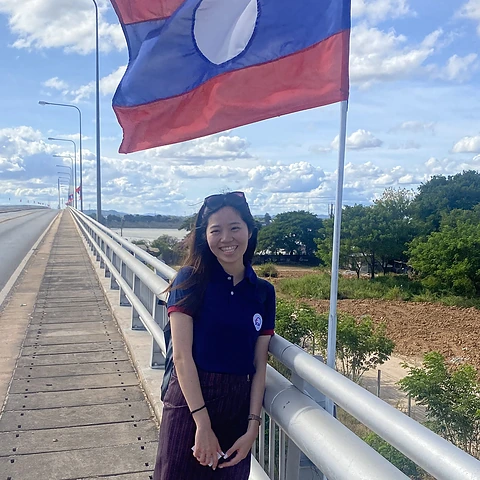
Having been interested since my undergraduate days in the development of developing countries, particularly in the infrastructure field, I joined Mitsubishi Heavy Industries, Ltd. after graduating and worked on yen loan (ODA) projects related to power generation infrastructure. While I had opportunities to travel to developing countries and felt the fulfillment of being involved in projects with large social impact, I was also frequently tossed about and affected by developing-country governments’ policy changes and political maneuvering. From these experiences, I came to feel strongly the need for rational policymaking, left the company, and entered the Graduate School of Public Policy.
Studying at graduate school while the effects of the COVID-19 pandemic lingered was an environment vastly different from my own undergraduate days, and at first I was bewildered by the magnitude of the difference. On the other hand, it was a good opportunity to learn public policy systematically under faculty members with abundant practical experience and education and research achievements, and through classes on Evidence Based Policy Making (EBPM) and data analysis, areas of strong personal interest, I was able to deepen my knowledge of policymaking. I also actively took courses in the international program (in English), and through exchanges with international students of various backgrounds — students dispatched from the administrative organizations of Asian countries, students from Western countries interested in Japanese and Asian policy — I had the sense of my own world expanding.
Studying Abroad at SIPA
After entering GraSPP, wishing to further deepen my knowledge in the field of international development, I applied to the Double Degree Program. I had long been interested in policymaking at international organizations, and I chose Columbia University’s School of International and Public Affairs (SIPA), where many experts in that field gather, with expectations for the opportunities for practical learning through the Capstone project.
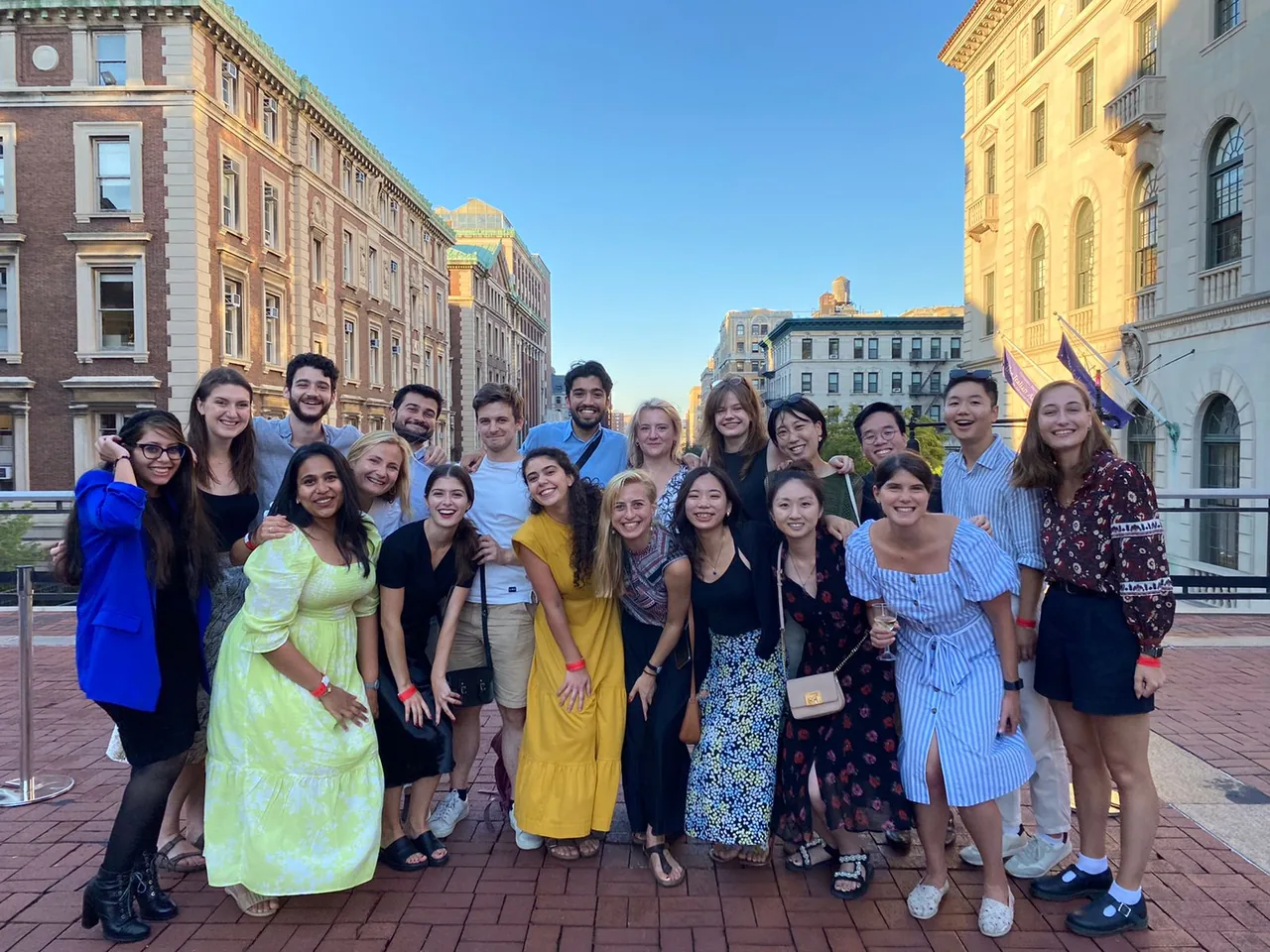
For me, who had never studied abroad, study and life at a graduate school in New York — where elites gather from around the world, lively discussions unfold inside and outside class, and diversity is cherished — were days of continuous new discoveries and challenges. In particular, the many occasions, in all kinds of settings, where the value and importance of each individual person were spoken of remain vividly in my memory, and for me, who intends to work together with people raised in environments different from my own, this was a very valuable realization. In classes, under professors with extensive experience at the United Nations and international NGOs, I learned the methods used in the field of development, and in the Capstone project I was involved in a project for the headquarters of the United Nations Children’s Fund (UNICEF), investigating the impact that events such as climate change and conflict have on children.
An Internship While at SIPA
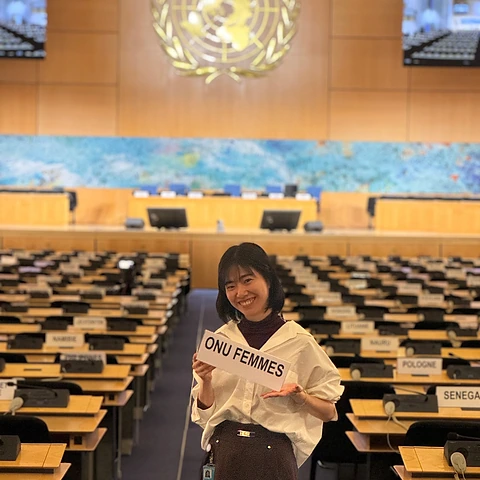
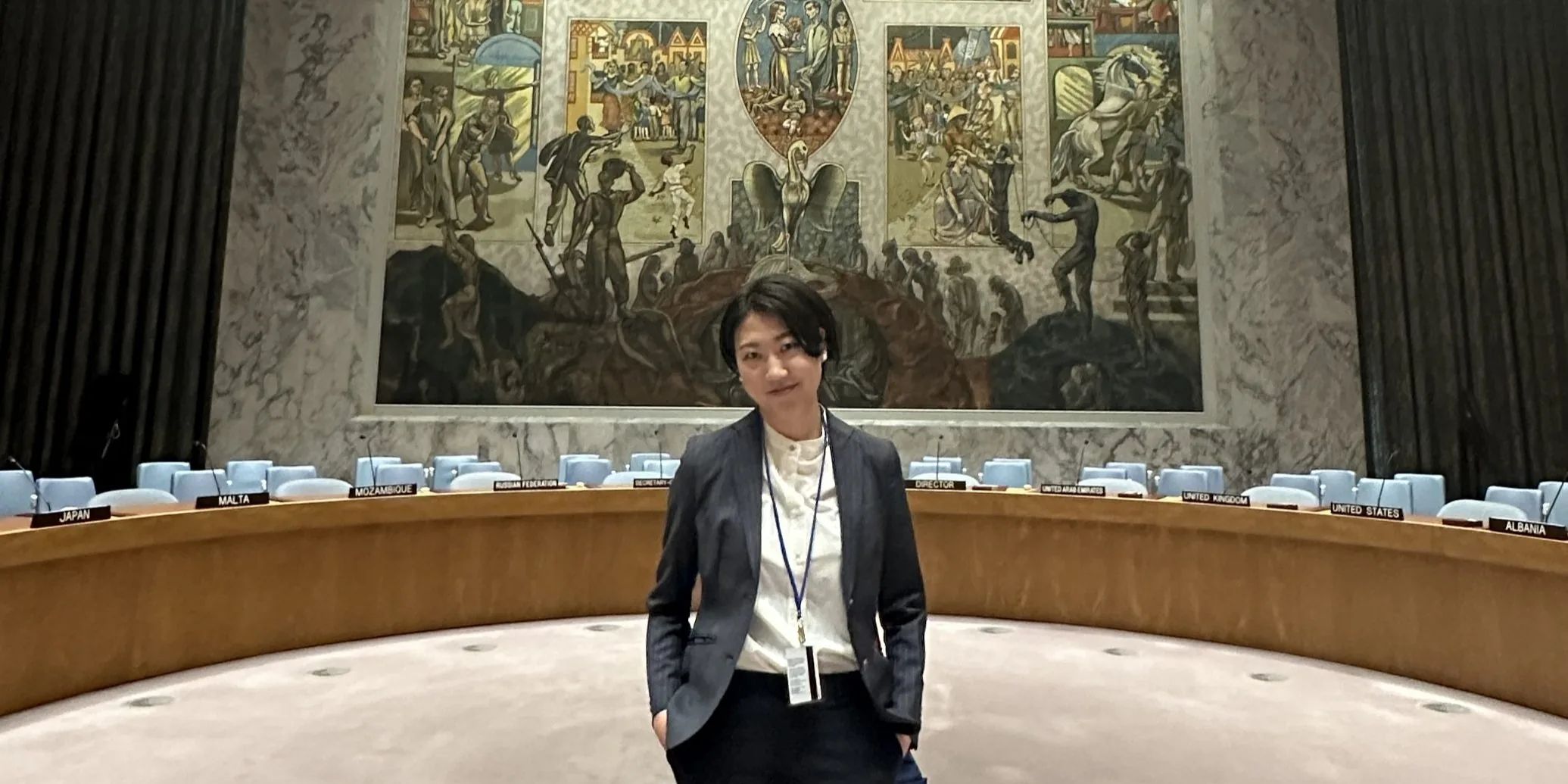
While at SIPA, I was given the opportunity to intern in the social affairs section (humanitarian and human rights fields) of the Permanent Mission of Japan to the United Nations. Standing on the front lines of diplomatic negotiations, it was a deeply meaningful experience. I had opportunities to attend sessions of the Security Council taking up pressing issues such as Russia’s invasion of Ukraine and the suppression of women’s rights by the Taliban regime, meetings continuously monitoring the human rights situation in post-conflict countries, and General Assembly sessions aimed at advancing the status and rights of Indigenous peoples and women. Listening to Western diplomats and experts advocate their visions of human rights and humanitarianism, I witnessed firsthand the reality of double standards and felt keenly the difficulty of policymaking in practice. On the other hand, amid complex circumstances entangled with political interests, historical backgrounds, and ideologies, I was also able to appreciate the uniqueness of the position of Japan, a non-Western developed country. Watching the scene of international negotiations — where numerous players intertwine and matters proceed on an exquisite sense of balance — I came to recognize anew that, in the end, policy is something made for people within the connections between people.
Outlook After Graduation
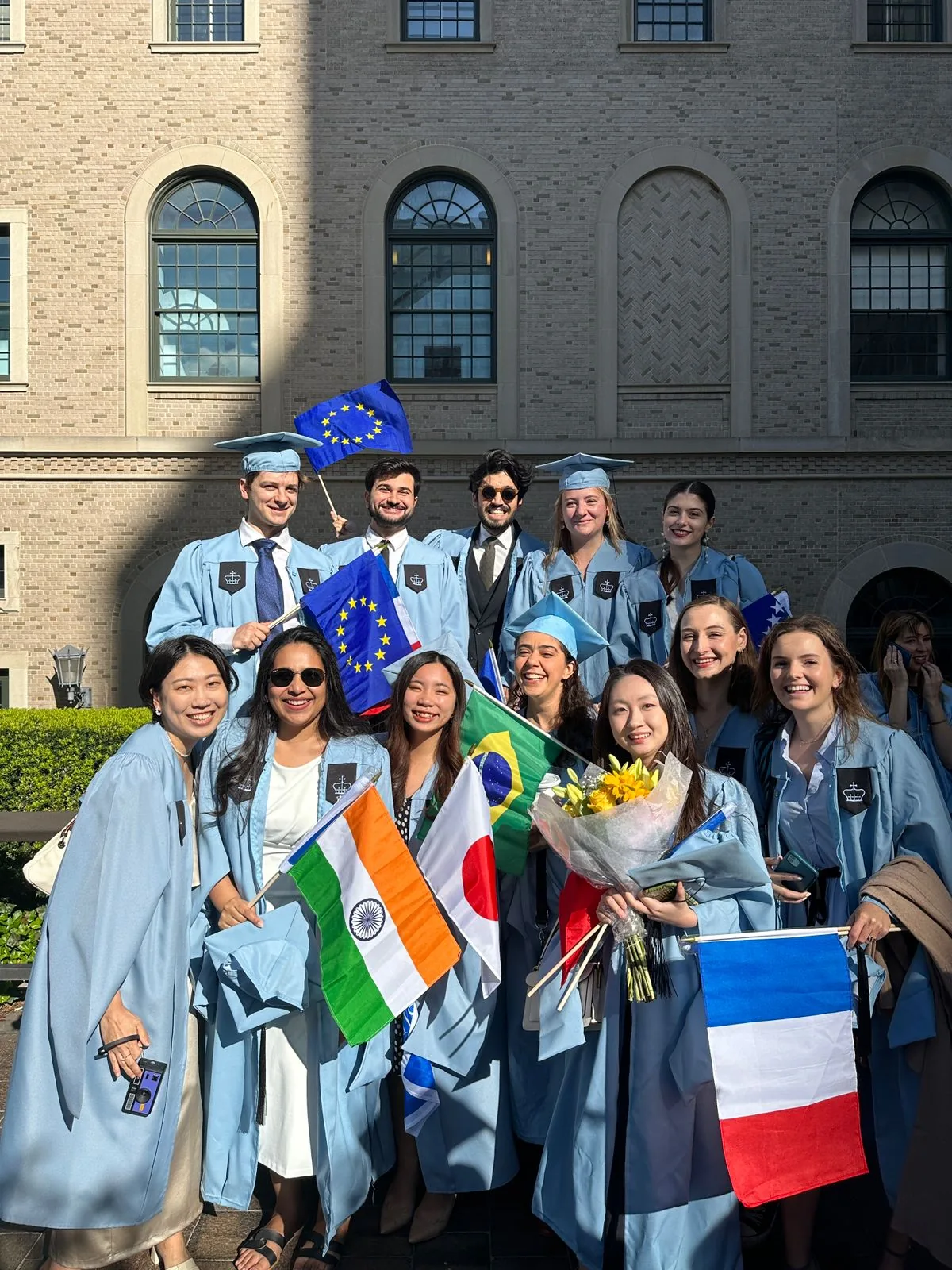
My experiences at GraSPP and SIPA were a succession of events I could not have imagined before enrolling, but the experience of being constantly stimulated by my fellow students and striving alongside them is irreplaceable. I currently belong to a team mainly in charge of international development at a consulting firm. I hope to build experience in the field of energy infrastructure, in which I have long been interested, and in the field of Low Carbon Development, which achieves climate change measures and economic development at the same time. In the long term, I aim to work at an international organization and be involved in supporting policymaking by emerging-country governments.
Even during my mere two years and three months of graduate school life, as the COVID-19 pandemic subsided and people’s in-person activities gradually resumed, international conflicts broke out and the polarization of society driven by extreme rhetoric advanced. Meanwhile, as people have gained casual access to generative AI and come to enjoy its convenience, whether its use should be regulated is being debated. In a dizzyingly changing world of increasingly complex challenges and a diversifying society, policymaking is no straightforward matter, but I believe that the connections with my teachers and friends — the greatest assets I gained at GraSPP and SIPA — will sustain me in the years ahead. Constantly exploring what the prosperity people seek truly is, and engraving in my heart the importance of policy and the responsibility of those who engage in it, I will continue to press forward.