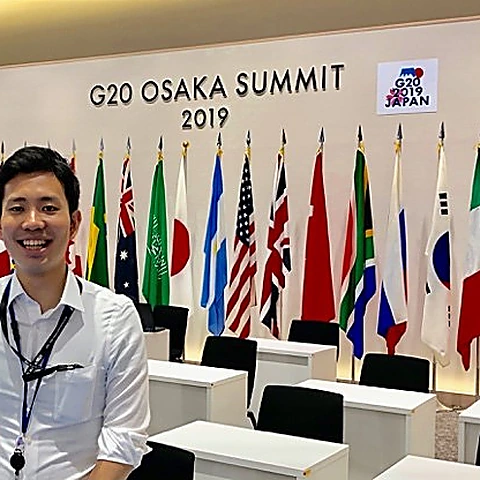

When it comes to countries with no end of problems with Japan, many people probably think of China and South Korea. That said, it is common knowledge by now that Japan is inseparably bound to China and South Korea across a great many fields. Whatever your political beliefs, and whether you like China and South Korea or dislike them, it is becoming difficult to achieve results in politics, in the economy and business, and even in the worlds of academia and culture, without thinking about how to engage strategically with the people of our neighboring countries. And yet that kind of strategic engagement is not something you can gain by reading any number of books like “How to Deal with the Chinese,” nor is it something you can acquire as a quick fix, scrambling to pick it up only once you actually need it.
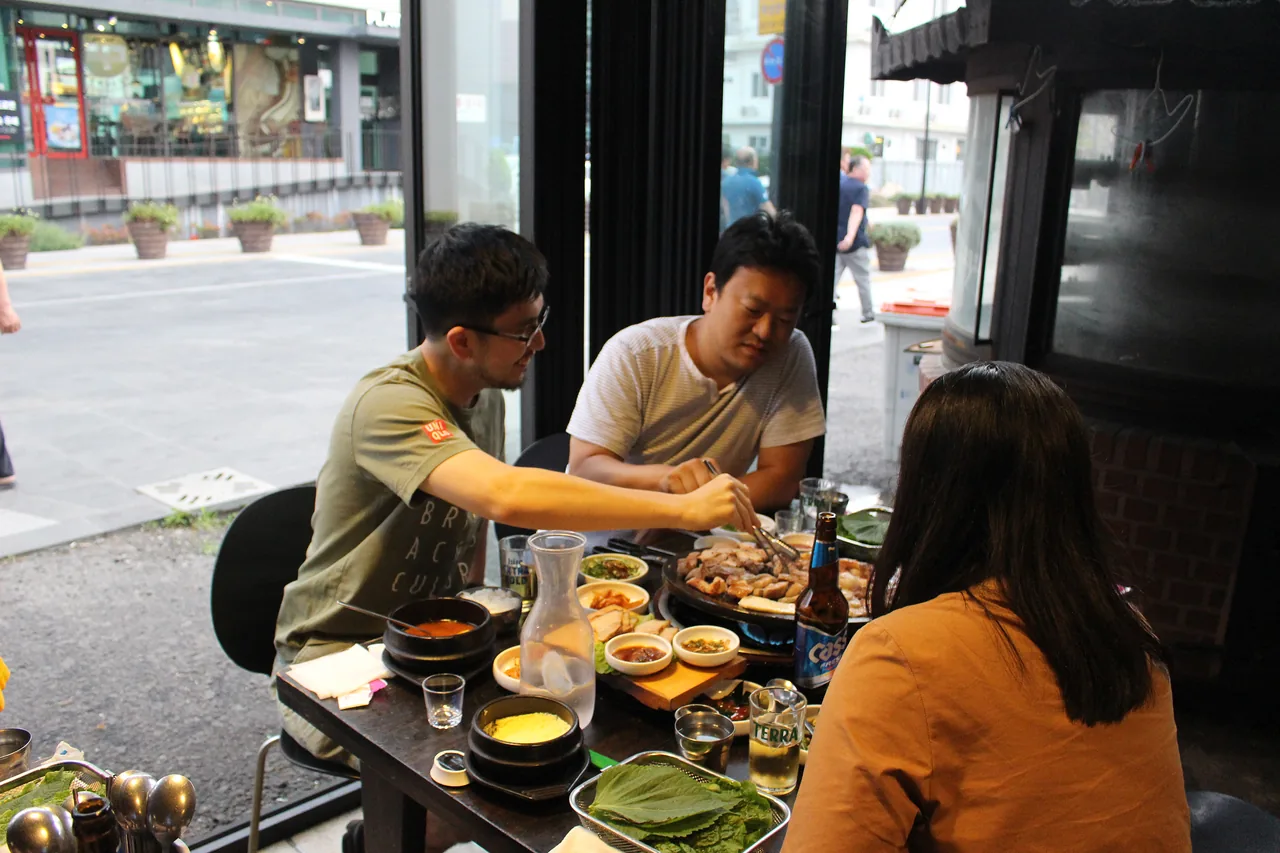
Haven’t you ever thought something like this? I can’t accept China’s or South Korea’s policies toward Japan… I have close Chinese and Korean friends, but I’ve always held back and never debated political issues with them in depth… And as a result, when a situation actually calls for that kind of debate, you can’t handle it well—and so on. At CAMPUS Asia, however, you have opportunities to debate such topics to your heart’s content with the very best elites of China and South Korea. You can even deliberately confront the Chinese and Korean elites with viewpoints regarded as radical—ones that even many Japanese would balk at (the so-called Yasukuni view of history, for example). Since the students gathered there are, after all, from each country’s top universities, such debates virtually never heat up emotionally and descend into a mere shouting match (at least, I never experienced that). The debates do get heated, but because you are laying bare to one another what you really think, you end up, if anything, on better terms once they are over. You might call it an East Asian version of Shoka Sonjuku. Naturally, your own opinions will be roundly criticized as well. For example, people from democratic countries like Japan and South Korea vaguely assume that “democracy and freedom of speech are absolutely necessary,” but the Chinese elites will press you on whether that is really so—and with quite sophisticated logic at that. Only through such debates can you come to know the perspectives of Chinese people at a deep level, and you will likely come to realize that many of your own opinions are in fact rather shallow—mere secondhand borrowings from someone else (this is not to deny democracy; on the contrary, it means that through such debates you have the opportunity to think through once more, at a philosophical level, why democracy matters).
That is why I would actually most like those who do not harbor particularly good feelings toward China or South Korea to take part. If, when you one day occupy an important position in society, you conduct your dealings with our neighbors on nothing more than vague feelings of aversion and hazy information, you may find your footing swept out from under you. The reality is that in Japan, even among the elite, many people do not know our neighbors all that well. We are at the point where some people are still surprised that China’s settlement systems are more advanced than Japan’s. Unless you build up at least some knowledge and experience regarding our neighbors—even if you stop short of becoming a specialist—you could end up acting on ideology and optimistic forecasts, just as Japan did in the last great war, and bring about catastrophic results. Looking at current public opinion toward China and South Korea, I cannot help feeling somewhat anxious that this could become reality.
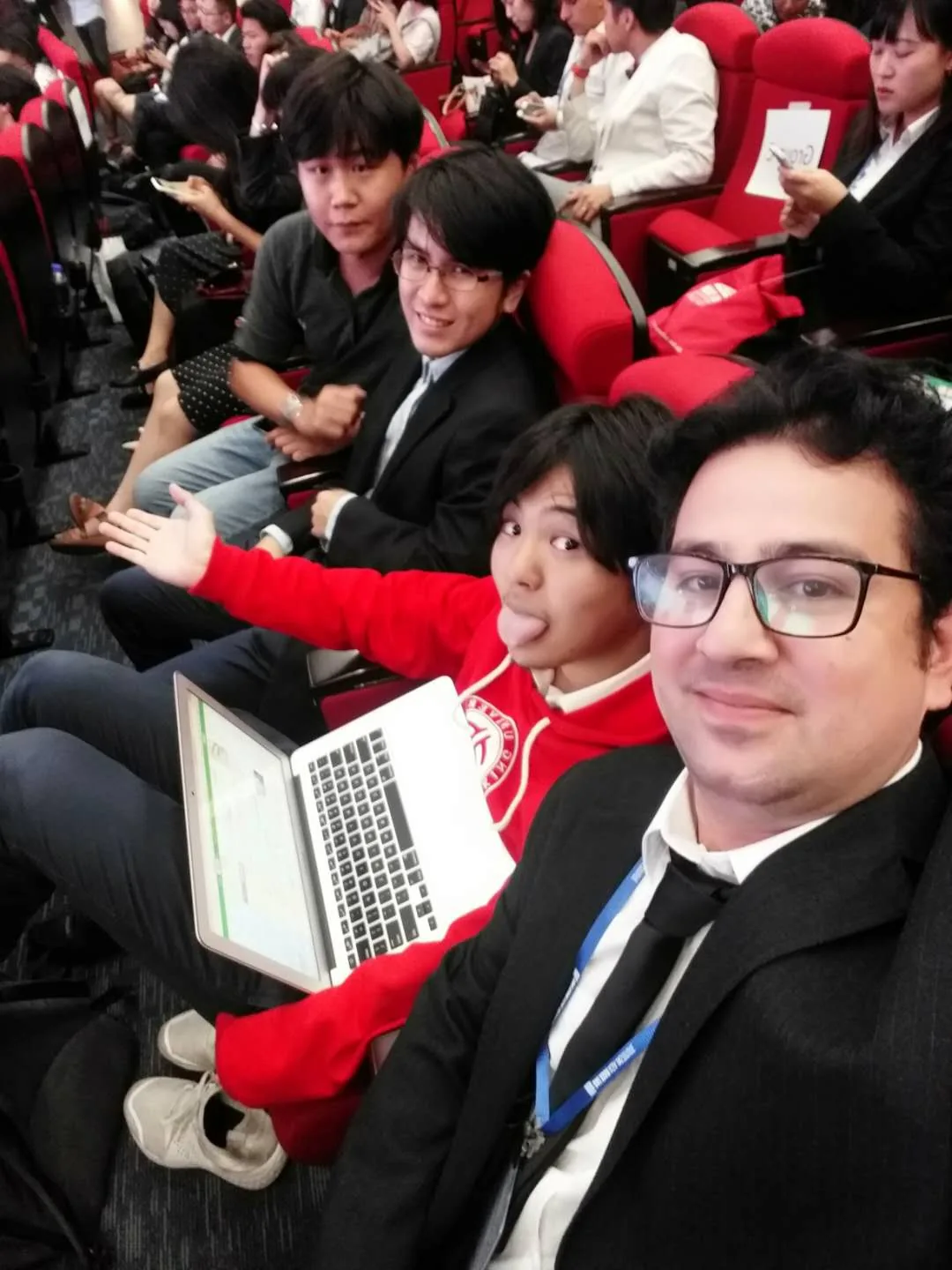
Incidentally, you can hold real expectations for the connections you can build in China and South Korea. Budding politicians, entrepreneurs, investors, and scholars abound, and those relationships prove useful in unexpected places. I myself was once let in on a promising money-making opportunity involving China’s 5G technology by a friend who is a student investor (if you try such things, do so at your own risk). After completing my degree, I am set to work at a certain think tank—an institution with which my adviser at Peking University has deep ties—so my connections are paying off even in my post-graduation employment. What is more, with the rise of Asia, centered on China, being proclaimed, I look forward to seeing how my network of friends—people likely to occupy important positions in their respective home countries—will come alive twenty or thirty years from now. Come to think of it, is it not precisely the accumulation of such small exchanges that has created an environment in East Asia where we can travel safely to one another’s countries even when relations between states deteriorate somewhat? (As you all know, there are many cases in other parts of the world where this has not been possible and armed conflict has broken out in the end.) If you want to become able to engage with the people of our neighboring countries with real confidence, by all means come join us!