
It has been almost three years since I completed GraSPP. I am now in Nanjing, China, devoting myself to Chinese language training as part of the overseas training that all young diplomats of the Ministry of Foreign Affairs undergo. During my two years working at the Ministry’s headquarters, not yet knowing left from right, I spent my days taking on every kind of challenge to build my foundations as a diplomat, and the personal axis I gained at GraSPP was, I feel, one anchor that allowed me to keep running without wavering.
As an undergraduate, I experienced studying abroad for the first time, in Germany. In Europe, far away from Asia, I strongly felt the affinity and sense of solidarity among fellow Asians, and was able to make many Asian friends, including Chinese and Koreans. However, contrary to my personal impressions, Japan-China and Japan-Korea relations at the time were steadily deteriorating over the Senkaku Islands, the comfort women issue, and other matters. Why can the gaps between Japan and China, and between Japan and Korea, not be bridged? That awareness of the problem gradually turned into a desire to become a diplomat myself and work directly on issues between nations. On the other hand, having spent my undergraduate days absorbed in club activities, I keenly felt my own lack of study. It was just then that I happened to discover GraSPP, and the CAMPUS Asia program developed under Japan-China-Korea trilateral cooperation.
At GraSPP, I learned international law, economics, international relations, and more in a cross-disciplinary way from a faculty with firsthand knowledge of government — including former ambassadors, active diplomats, and bureaucrats — and was able to build my base as a diplomat, a profession that demands broad knowledge. In the CAMPUS Asia program, through study at Peking University and Seoul National University, the top schools of China and Korea, I deepened my understanding of international and policy relations in East Asia from each country’s perspective. Furthermore, together with the Chinese and Korean students participating in the program, we formed a single community, and amid close exchanges such as workshops and field trips, we were able to hold wide-ranging discussions on regional and global issues. What remains in my memory is the joint research we conducted, translating the history textbooks of Japan, China, and Korea and comparing their contents. In the end, based on our reflections on each country’s historical perceptions, we proposed to one another ways of resolving conflicts rooted in history. It was, I think, a research topic we were able to attempt precisely because of our deep mutual trust. I can say with confidence that the network I gained through CAMPUS Asia, with which exchanges continue to this day, is an asset for my life.
Having conveyed this background and my fields of interest to the personnel division, my first posting was to the very division in charge of Asian multilateral diplomacy, including Japan-China-Korea cooperation. Since then, including stints assisting other divisions, I have experienced a variety of foreign policies and events — ASEAN, the South China Sea, historical issues, international parliamentary forums, the G20, the PyeongChang Olympics — and in the Japan-China-Korea field, I was able to be involved in two summits. At the Seventh Japan-China-ROK Trilateral Summit held in Tokyo, I was engaged in negotiating the outcome documents, busying myself with drafting texts, arranging negotiation meetings, and gathering information. I remember feeling an inexpressible sense of accomplishment the moment the negotiations were concluded. At the Eighth Japan-China-ROK Trilateral Summit held in Chengdu, China, I took on logistical support for related events and the leaders’ meeting, supporting the movements of the Prime Minister’s party from behind the scenes. Being able to take part in two summits that gave great political momentum to Japan-China-Korea cooperation, including CAMPUS Asia, made me happy as a CAMPUS Asia alumnus, and reminded me anew that being able to throw oneself into such historic scenes is the true thrill of diplomacy.
I still have much to learn as a diplomat, but the understanding of and passion for this region that I cultivated through CAMPUS Asia have been one distinctive strength that has always pushed me forward. Whatever field I take on in the future, I believe “Japan-China-Korea” will remain one axis of my career. And judging from the other alumni of CAMPUS Asia, this seems to be by no means a rare case. If you are seeking a piece for your career that sets you apart from others, I encourage you to knock on the door of CAMPUS Asia.
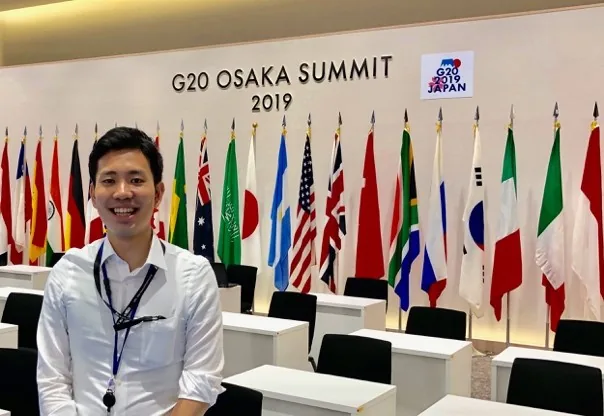
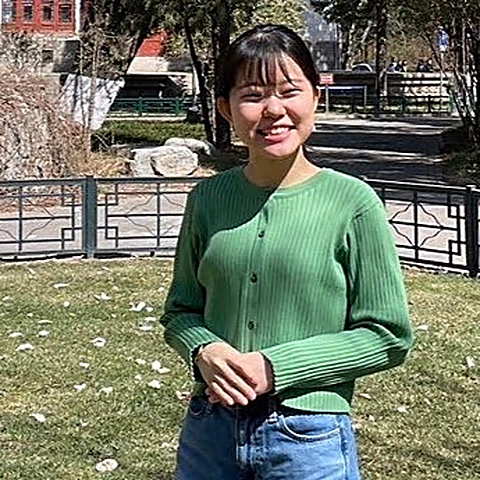
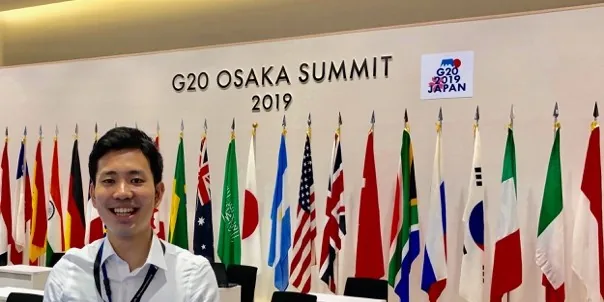
G20 Osaka Summit (June 2019)
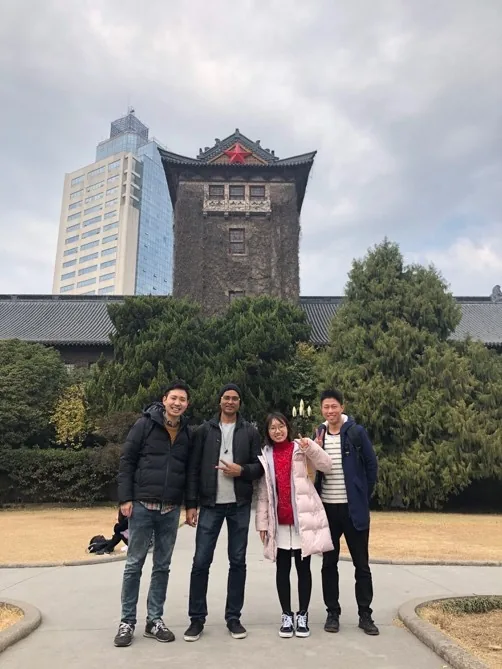
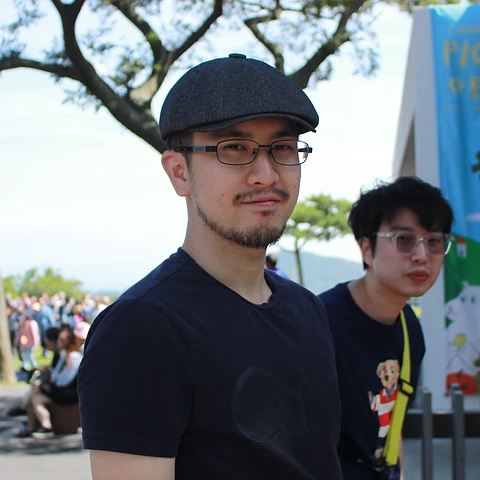
At Nanjing University, with classmates studying Chinese together (December 2019)
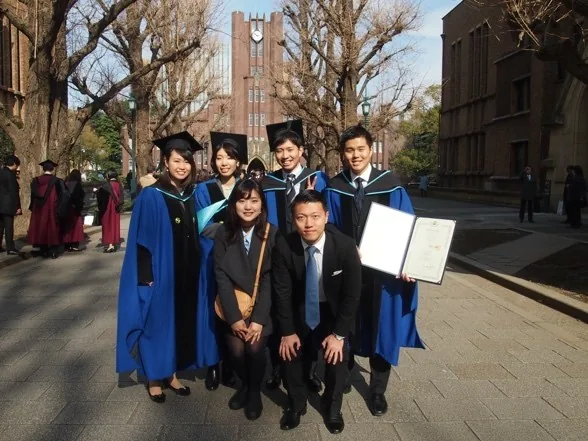
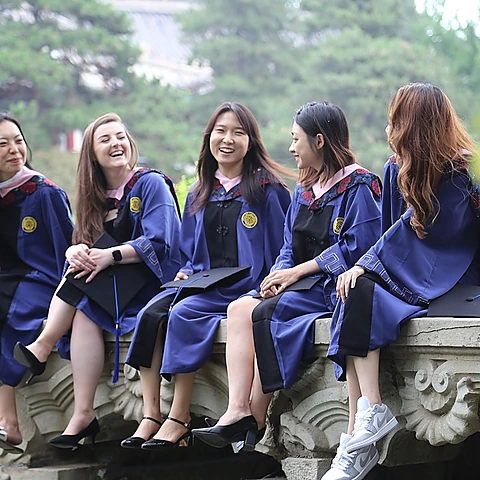
GraSPP graduation ceremony, with friends from CAMPUS Asia (March 2017)
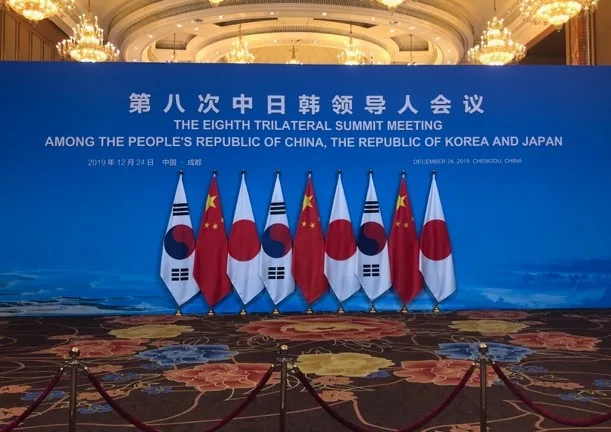
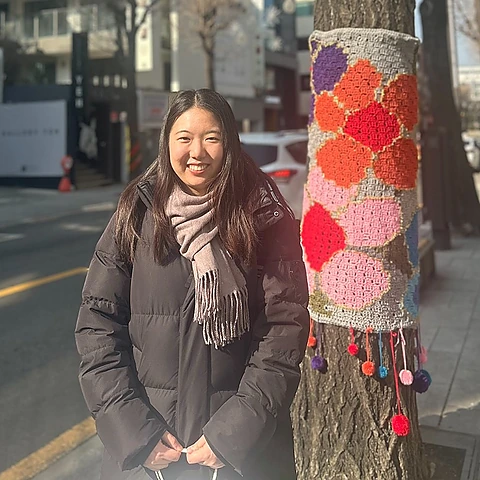
The Eighth Japan-China-ROK Trilateral Summit (December 2019)